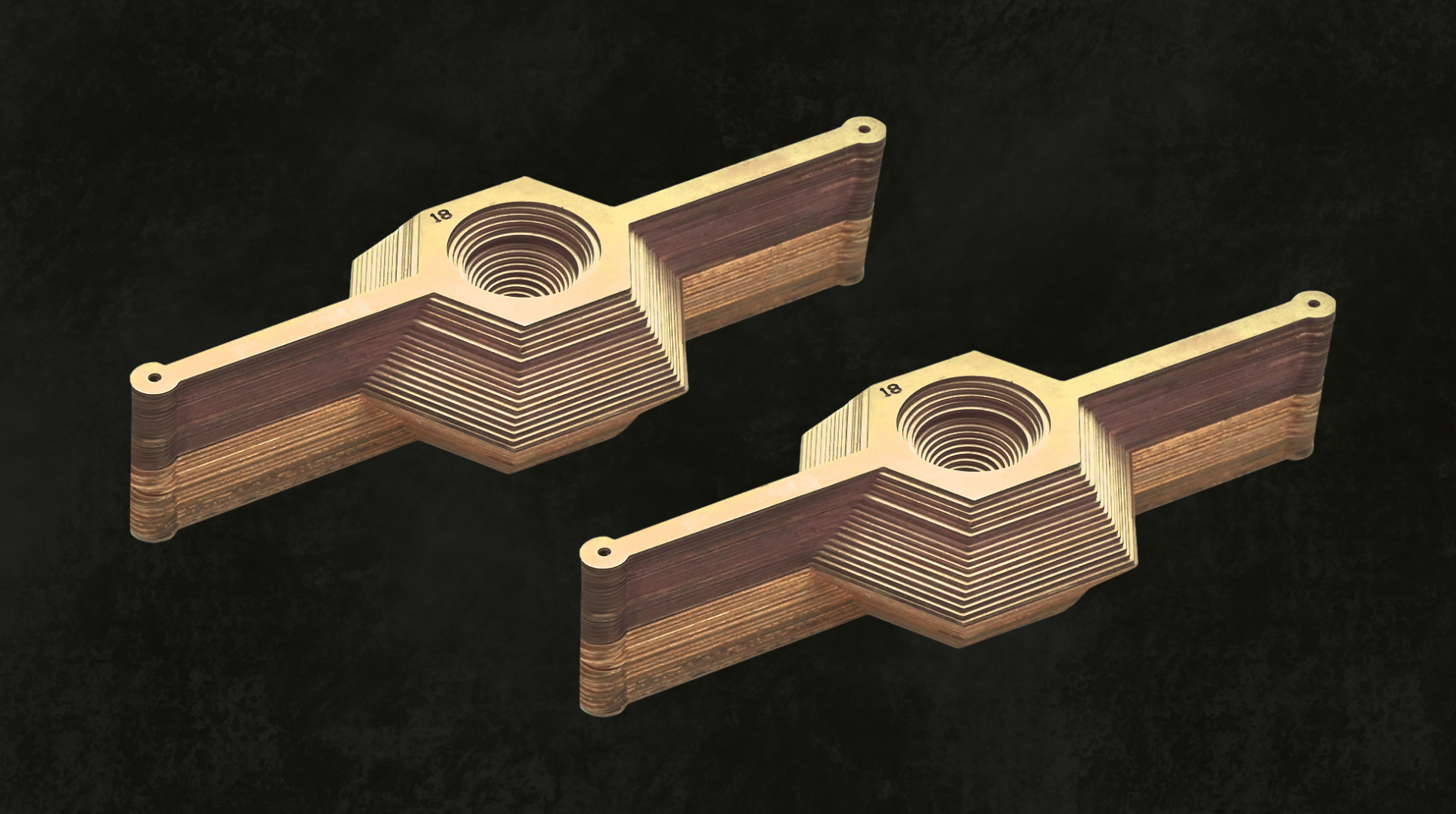

PEI delivers advanced diffusion bonding solutions for high-precision components across aerospace, medical, defense, electronics, and energy systems.
Our process creates ultra-reliable, stress-free, diffusion-bonded joints that maintain the full properties of the base metal, making them ideal for mission-critical, multilayer assemblies involving dissimilar materials.
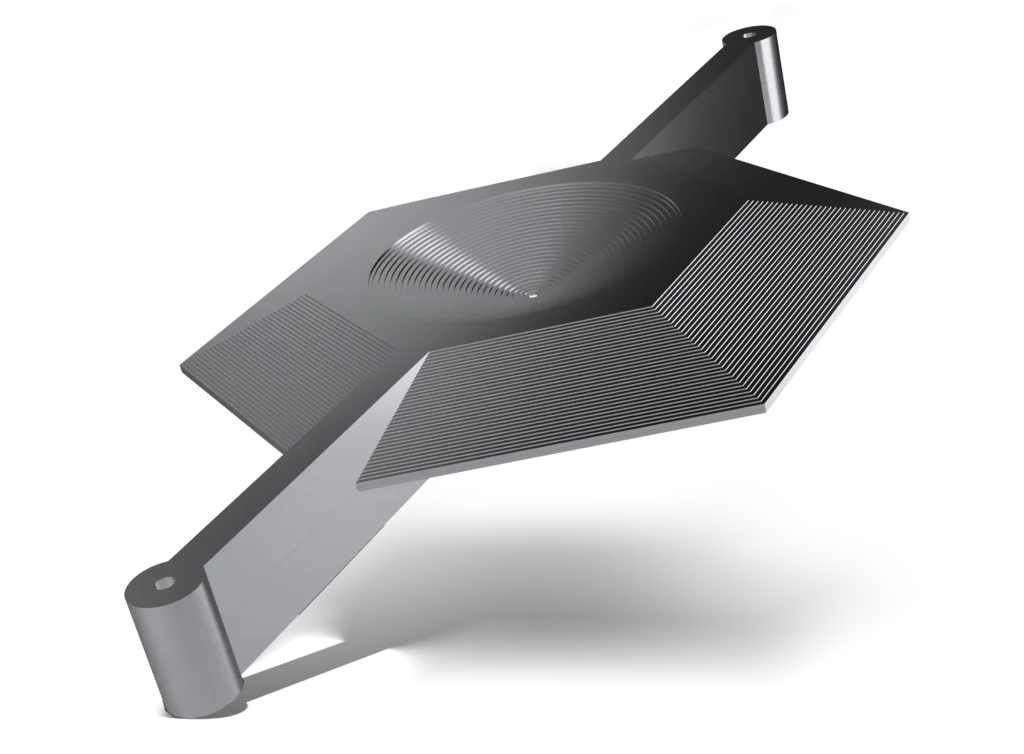
Diffusion bonding is a solid-state diffusion bonding process that joins layers of thin metal sheets together using elevated temperature and pressure without the use of adhesives, filler materials, or mechanical fasteners. Unlike welding or brazing, diffusion bonding occurs when atoms migrate across clean, metal-to-metal interfaces under tightly controlled conditions. The result is a seamless joint that retains the full mechanical and chemical integrity of the parent materials.
Typically performed in a vacuum or inert atmosphere, the process involves heating the stacked metal layers to approximately 50–80% of the base material’s melting point and applying pressure to initiate atomic diffusion.
Because it does not rely on molten phases, diffusion bonding is also a valuable alternative to transient liquid phase bonding methods when working with thin components or dissimilar alloys.
Diffusion bonding offers several advantages over traditional joining methods:
Whether you’re building microfluidic channels or lightweight structural assemblies, diffusion bonding is ideal when your design demands structural integrity, dimensional stability, and long-term durability.
At PEI, our strength lies in our integrated manufacturing capabilities. We combine diffusion bonding with photochemical etching to produce complex multilayer assemblies with tight-tolerance internal features ideal for applications in aerospace, medical, and advanced electronics, where precision and reliability are critical.
As a U.S.-based, ITAR-compliant manufacturer, we offer a secure and responsive production environment tailored to the needs of defense and aerospace clients. With a proven track record and a precision-controlled facility certified to ISO 9001 and AS9100D, we ensure that every component meets the highest standards of quality, consistency, and compliance.
Our diffusion bonding method is engineered for consistency, precision, and repeatability:
This precision diffusion bonding method allows us to produce high-quality joints even in dissimilar metals, without thermal damage or warping.
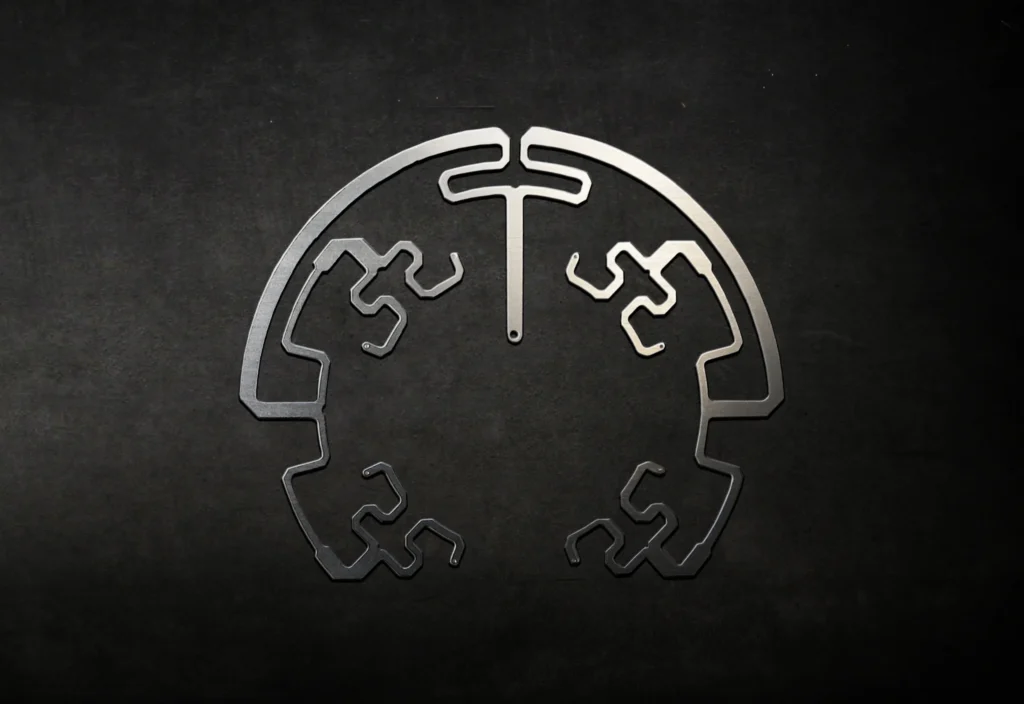
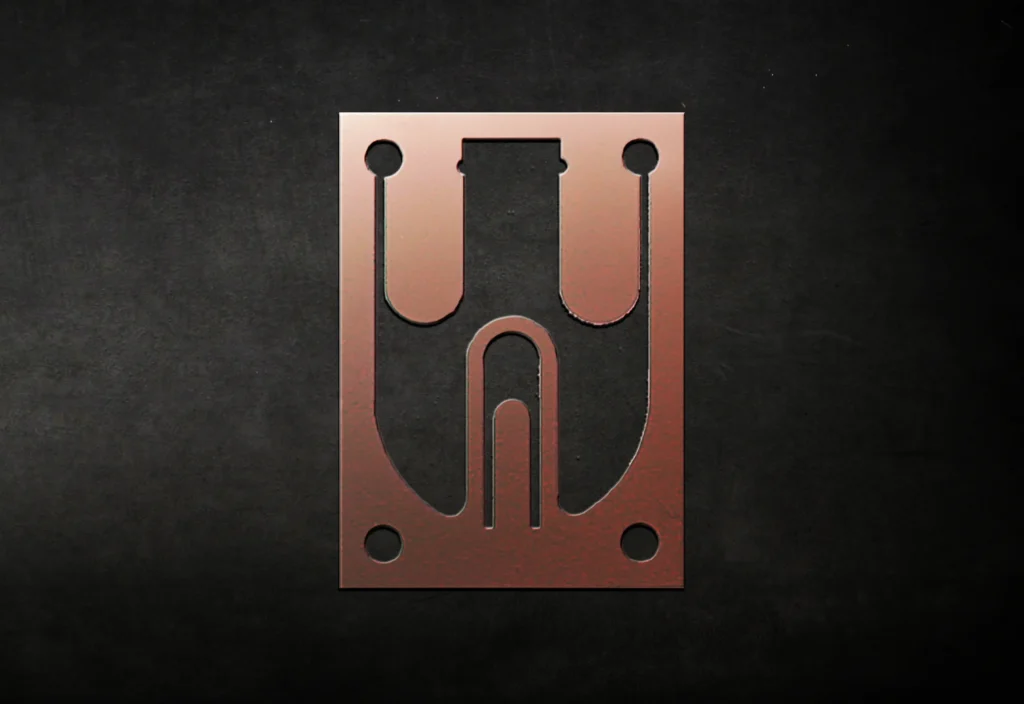
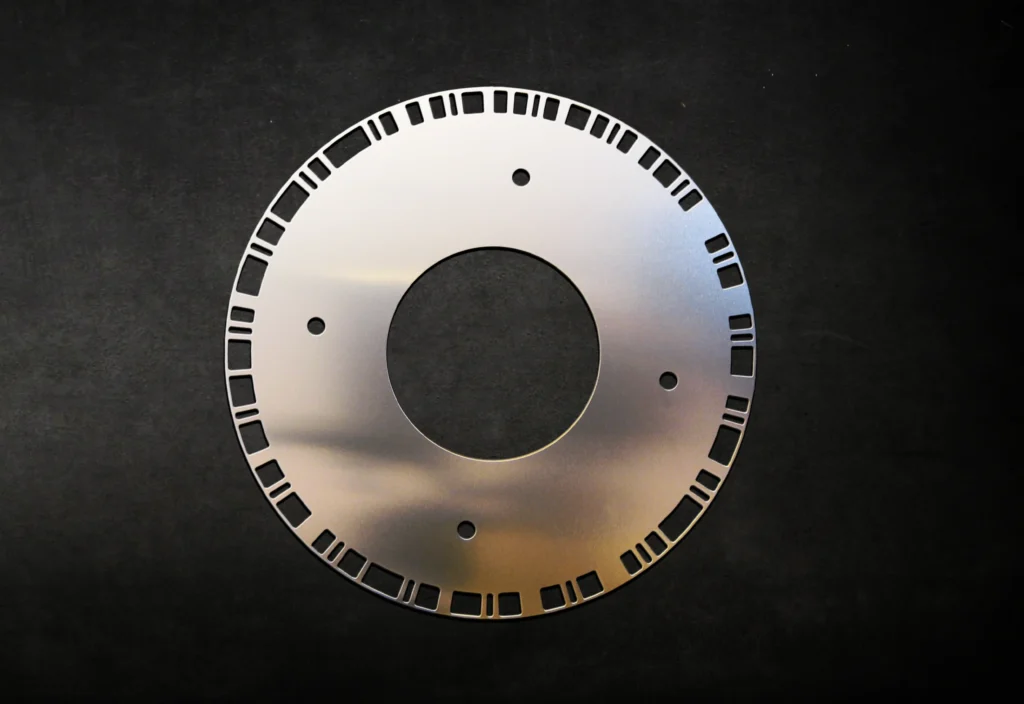
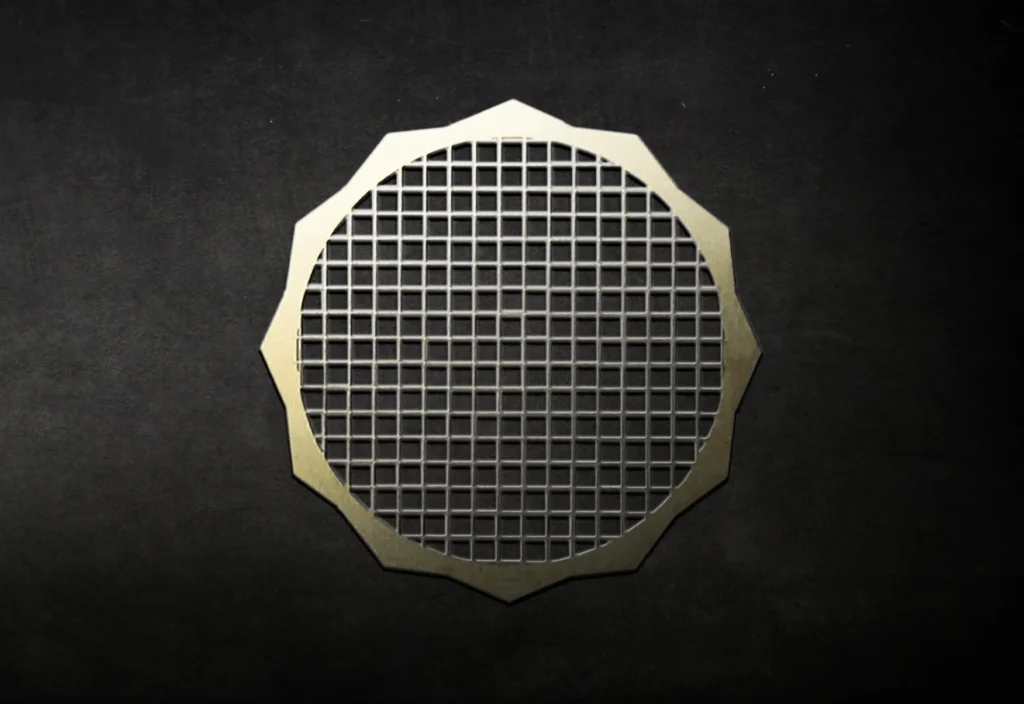
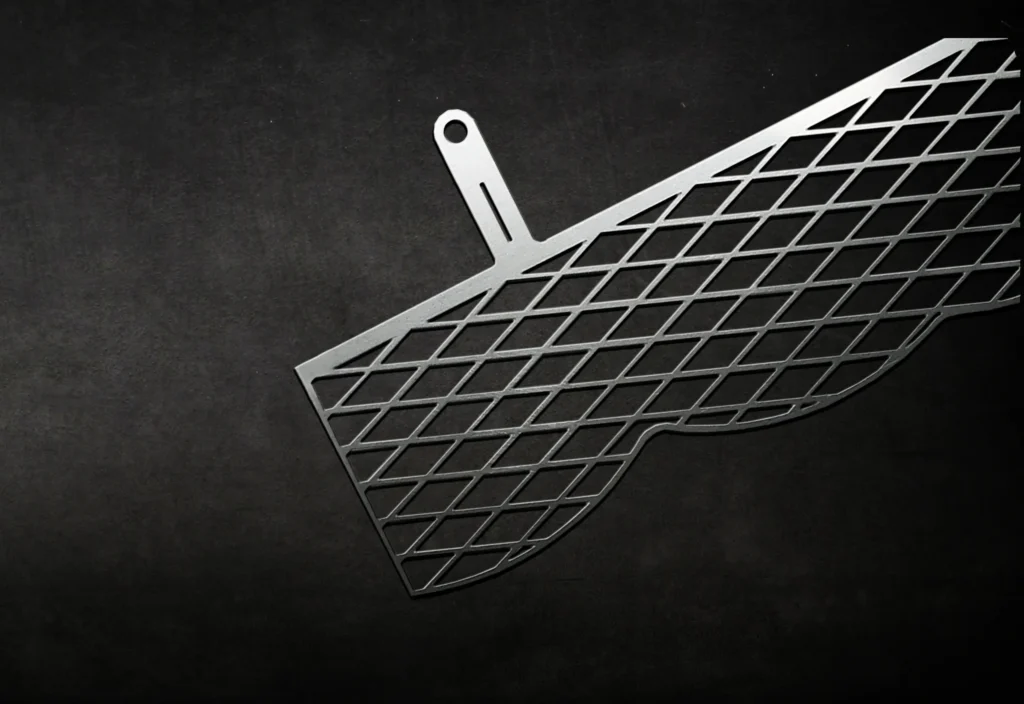
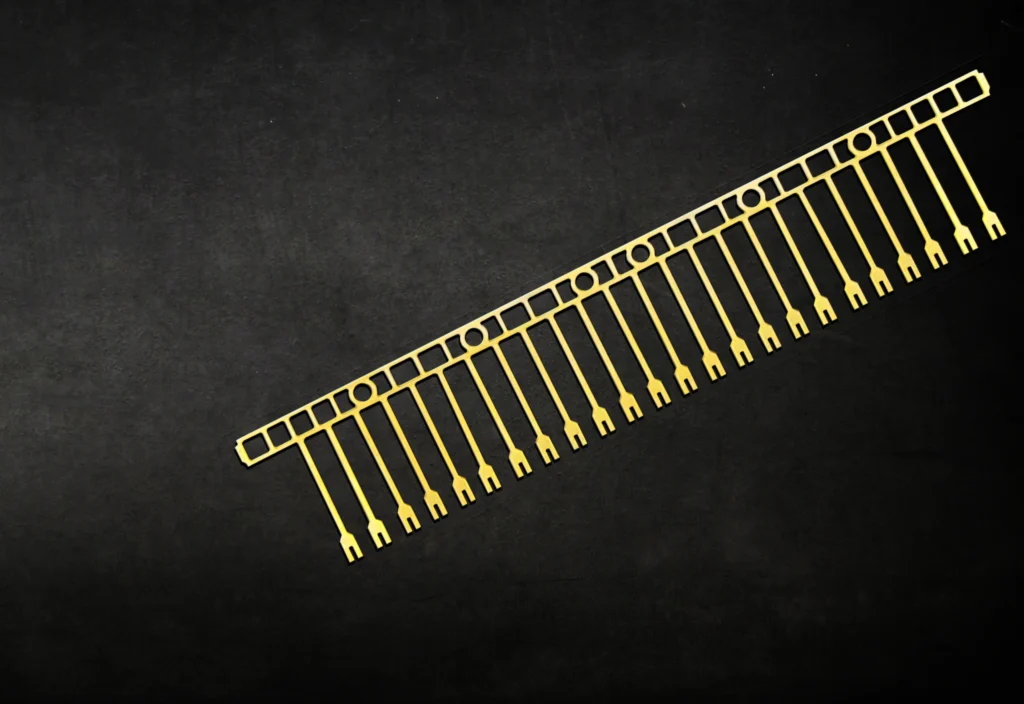
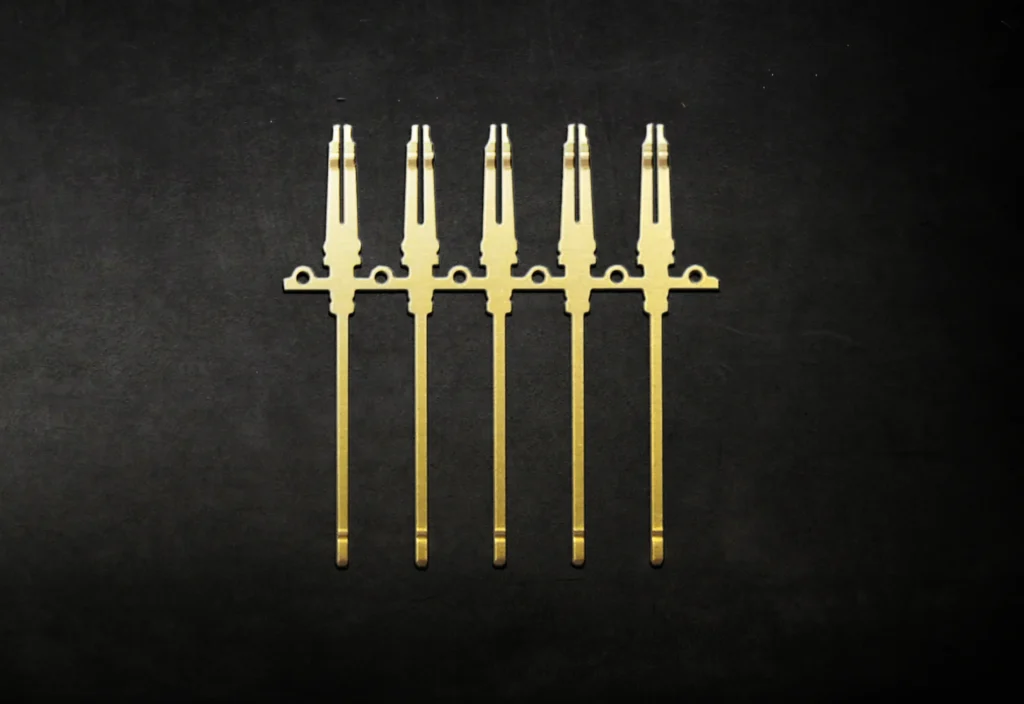
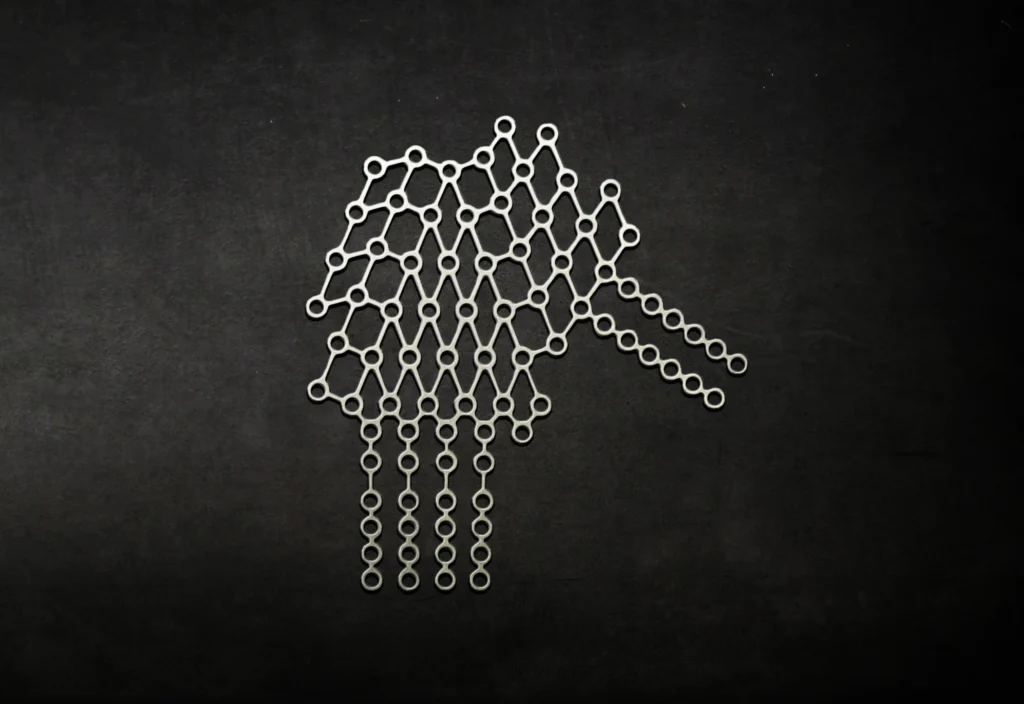
Our diffusion bonding capabilities support a broad range of high-performance metals, including:
Our precision process allows us to produce high-quality joints in materials that are notoriously challenging for traditional joining processes, making it particularly useful in regulated industries with exacting specs.




PEI’s diffusion bonding services are trusted across a wide spectrum of critical applications where performance and precision are paramount:

For lightweight structural panels, thermal management plates, and hermetically sealed RF or sensor components

For implantable devices, diagnostic components, surgical instruments, and heat-sterilized assemblies
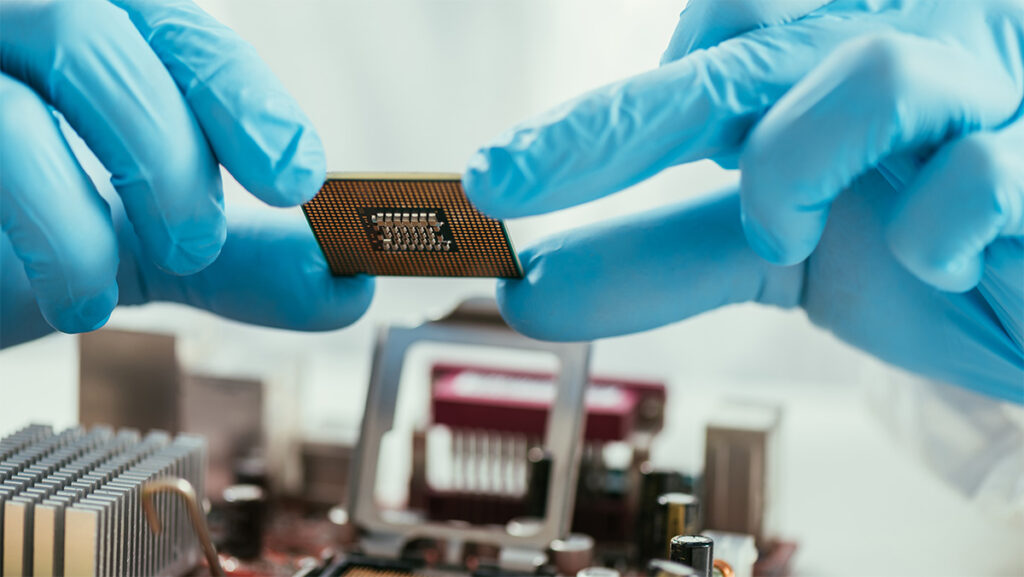
For microchannel cooling, layered circuit shielding, and thermal control elements
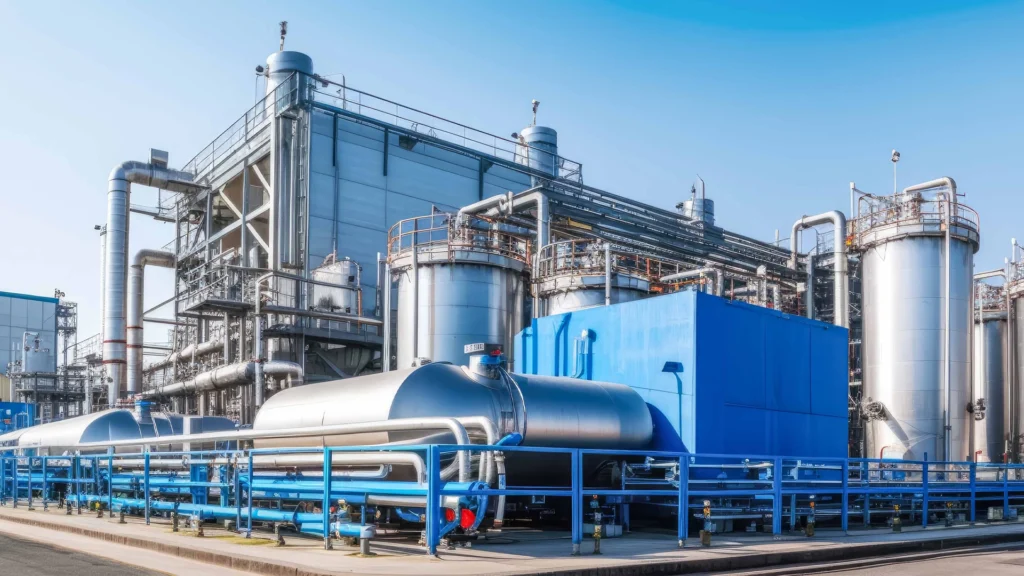
For battery plates, fuel cells, and advanced heat exchangers where layered metal precision is critical
These sectors often involve dissimilar materials, extremely thin metals, and complex internal features that require a joining process with high bond integrity and zero distortion.
Diffusion bonding is a solid-state joining process that permanently bonds metal layers using precisely controlled heat and pressure – without melting the base material or using filler metals or adhesives. Atoms at the mating surfaces migrate across the interface through solid-state diffusion, forming a metallurgically continuous bond. The process is typically performed in a high-vacuum or inert-gas atmosphere at 50-80% of the base material’s melting point,.
Diffusion bonding joins metals through a sequence of controlled steps, with no melting at any stage. Metal layers are cleaned, aligned, and stacked; the stack is loaded into a vacuum furnace and heated to approximately 50-80% of the melting point while pressure of 3-10 MPa is applied; atoms then diffuse across the mating interfaces during a controlled hold time, and the assembly is slowly cooled,.
No. The bonding action occurs below the melting point of the material, so there is no need to worry about melting. Bonds form through atomic diffusion across clean, solid surfaces with no liquid phase created – which is why diffusion bonding produces no heat-affected zone, no solidification defects, and no distortion.
Yes, the two terms are used interchangeably in industry. Both refer to the same solid-state joining process in which atomic diffusion across clean metal interfaces – under heat and pressure, below the melt point – forms the bond without a molten phase.
Parts are heated to approximately 50-80% of the base material’s melting point, which for most engineering alloys falls in the range of 800°C-1200°C (1472°F-2192°F) depending on the material,. Staying below the melt threshold preserves the base material’s microstructure and mechanical properties throughout the process.
Welding melts the base metal (and often a filler metal) to create a joint upon resolidification. Diffusion bonding never reaches the melt point – instead, it uses sustained heat and pressure to promote atomic migration across the interface in the solid state. This eliminates the heat-affected zone, solidification defects, and distortion associated with fusion welding, and produces joint strength that approaches 100% of the base material.
No – unlike laser welding or brazing, diffusion bonding is suitable for joining micron-sized machined parts because neither the parts nor the joints are deformed. However, because buckling of the material can occur during processing, PVA TePla recommends including a material allowance of 1-5% in part dimensions. TWI Global confirms that minimum distortion and accurate dimension control are among the primary advantages of diffusion bonding.
Three principal types are used in industry,: (1) Solid State Diffusion Bonding – pure bonding of base materials without any additional material; (2) Activated/Interlayer Diffusion Bonding – uses thin plating (copper, nickel, or silver) to promote bonding at lower temperatures; (3) Transient Liquid Phase (TLP) / Liquid Interface Diffusion (LID) Bonding – uses a thin activation layer that briefly forms a liquid interface before fully diffusing into the parent materials.
A wide range of metals can be diffusion bonded, including stainless steel (300 and 400 series), titanium and titanium alloys (CP grades, Ti-6Al-4V), copper, nickel and nickel alloys (including Inconel), molybdenum, beryllium copper, aluminum alloys, gold, silver, and refractory metals such as tungsten,. VPE also processes Glidcop and Haynes alloys. Material suitability depends on surface chemistry, thermal expansion, and application requirements.
Contact PEI’s diffusion bonding experts to explore how we can help you engineer stronger, lighter, and more precise components.


PEI’s long history of meeting and exceeding industry standards and customer expectations began in 1968. For over 50 years, we’ve kept quality assurance at the forefront of our work by training our manufacturing teams, maintaining our equipment, and establishing rigorous internal controls. PEI holds several certifications, including ISO9001:2015, AS9100:2016, and ITAR. We adhere to MIL-STD-45662, MIL-STD-105, and ANSI/ASQC Z1.4 quality standards.