
Delivering power consistently and accurately to sensitive electronics and microelectronics components is necessary. A power surge or current drop can potentially lead to catastrophic failure, threatening lives, safety, and property since many electronics control the operation of dozens of applications, from power grids to medical components to airplanes.
PEI is a leading manufacturing partner of industry-leading electronics and microelectronics companies, delivering precision metal bus bars that help distribute and regulate power consistently and safely.
Bus bars are designed to efficiently distribute large amounts of electrical current and are the backbone of many electrical systems — able to handle large amounts of current without overheating.
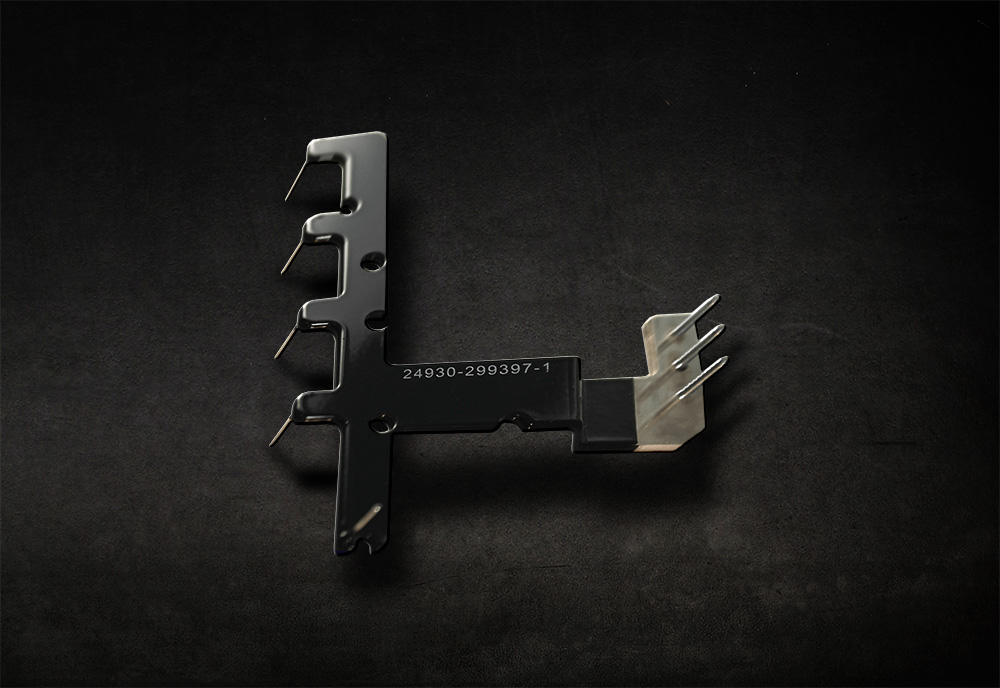
Bus bars (also spelled buss bar or busbar) are produced using premium-grade materials such as copper, aluminum, brass, or specialized alloys and then are dielectrically coated. A bus bar is a metallic strip or bar found on a distribution board, circuit board, power supply unit, or other electrical apparatus that conducts electricity.
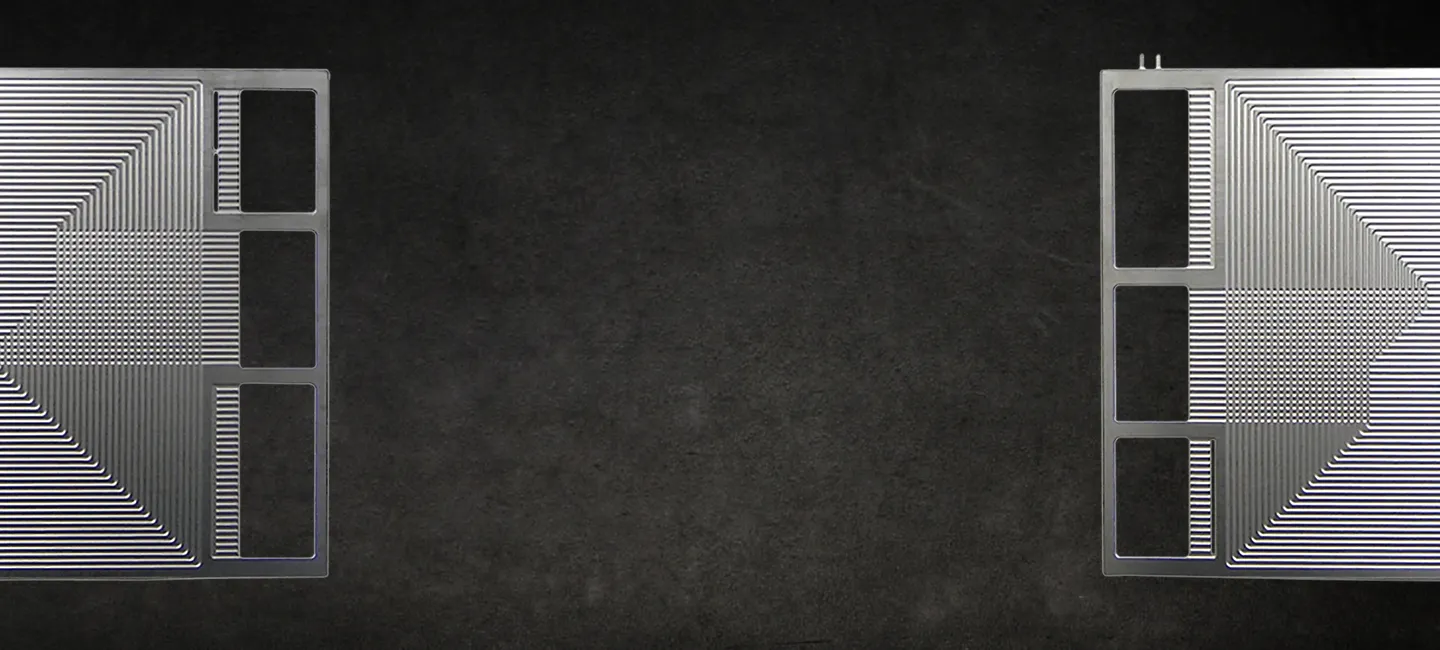
PEI’s photochemically etched bus bars are crafted to deliver superior electrical conductivity, durability, and precision in demanding applications. They provide superior power distribution and are built to withstand mechanical stress and environmental challenges.
Bus bars are often fabricated from copper, aluminum, brass, and other specialized alloys. Each material has its unique characteristics and benefits. Engineers frequently specify a metal choice based on component design or use case. Other factors include cost, weight, conductivity, and heat dissipation.
Here are some benefits of each metal:
A widely preferred material used for its excellent electrical conductivity, malleability, and ability to accept nearly any finish
A lightweight metal that features high conductivity, strength, and ability to be shaped into a variety of designs
While not the best choice for electrical conductivity, it’s affordable and can be photochemically etched into a number of different shapes
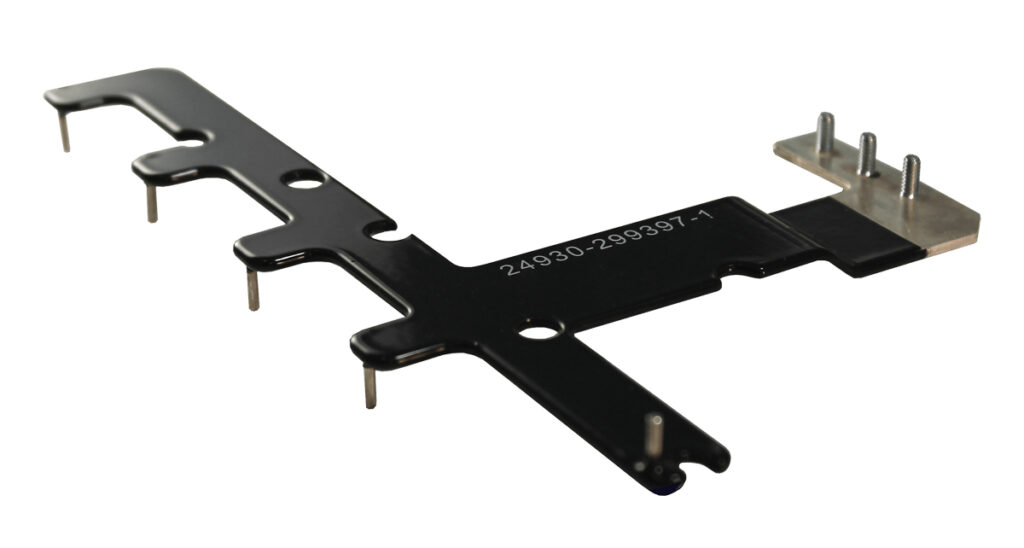
A bus bar is a metallic strip or bar found on a distribution board, circuit board, power supply unit, or other electrical apparatus that conducts electricity. Bus bars act as a central hub for electricity, allowing multiple circuits or devices to connect efficiently while distributing or collecting large amounts of electrical current. They are also spelled busbar or buss bar, and are constructed from metallic strips of copper, brass, or aluminum.
A bus bar conducts electricity from a power source to multiple output circuits simultaneously, acting as a shared conductor rather than individual wires for each circuit. The bar’s cross-sectional area determines how much current it can carry (its ampacity) without overheating. Common commercial and industrial bus bar sizes handle from 40 amps to 6,300 amps depending on application.
Bus bars are most commonly made from copper, aluminum, or brass, with specialized alloys used for specific applications. Copper is preferred for its excellent electrical conductivity, malleability, and ability to accept nearly any finish. Aluminum offers high conductivity at significantly lower weight (aluminum is approximately 70% lighter than copper). Brass is affordable and formable but has lower electrical conductivity than copper or aluminum.
Copper has an electrical conductivity of approximately 58 MS/m compared to approximately 37 MS/m for aluminum – roughly 64% higher conductivity. Copper’s surface naturally oxidizes to form a thin hard layer that remains conductive; exposed aluminum forms an oxide film that is not conductive and can cause long-term reliability issues at joints. Copper also gives off less heat than aluminum at equivalent current loads. Aluminum is preferred where weight reduction is the primary constraint – for example, in aerospace and EV applications where aluminum is approximately 62% as conductive as copper but far lighter.
Bus bars are used across a wide range of industries wherever efficient high-current power distribution is needed: Aerospace and Defense (avionics, power systems); Medical Devices (life-critical equipment, secure electrical connections); Renewable Energy (solar and wind installations, high-current transfer); Electronics and Communications (circuit boards, power supplies, data center infrastructure); Automotive and Electric Vehicles (battery packs, charging infrastructure, inverters); Industrial Equipment (motor control centers, switchgear).
Bus bars offer several efficiency advantages over cable wiring: installation time can drop to 50% less than cable; bus bars give off less heat than cabling and improve airflow by placing power distribution overhead; the structured format reduces installation complexity and maintenance time compared to cable harnesses; and bus bars eliminate the voltage drop and heat loss associated with long cable runs. Most bus bars also carry an IP protection rating of at least IP55 for use in harsh environments.
A solid (non-laminated) bus bar is a single conductive conductor used for straightforward power distribution. A laminated bus bar consists of multiple conductors separated by dielectric layers, producing very low inductance, high current density, and improved thermal management – at greater design and manufacturing complexity. Laminated bus bars are optimized for high-performance, compact, low-inductance, high-current applications, especially in EVs and inverters; non-laminated bus bars are better suited for traditional power distribution.
Photochemical etching offers several advantages over stamping and laser cutting for bus bars: no hard tooling cost (digital phototools require only hours to create vs. weeks for stamping dies); no burrs or mechanical stress on the conductor; design changes require only a new phototool at minimal cost; the process works with very thin materials that stamping cannot reliably handle without distortion; and no heat-affected zone (unlike laser cutting) that could alter material properties,,.
When choosing bus bars for lithium battery packs, consider ampacity, voltage, thermal rise, material, cross-section, bend and forming limits, insulation, plating or contact finish, tolerances, and packaging constraints. Copper generally offers higher conductivity, while aluminum is much lighter, so the best choice depends on current load, weight targets, connection design, thermal performance, and manufacturability. For formed battery-pack bars, bend radius and GD&T are important because tight bends or loose tolerances can affect fit, assembly, and long-term reliability.
Bus bars are found in nearly every electronic or microelectronic component in the world, making them an indispensable component across a diverse range of industries. As experts in the production of busbars, PEI serves customers in industries such as:
Renewable Energy
Aerospace
Medical
Communications
Electronics

Engineered to withstand extreme conditions, bus bars ensure optimal performance of avionics, power systems, and other essential aircraft components, providing consistent electrical connectivity and stability —shielding against operational stresses.

The medical device industry demands components that prioritize patient safety. Bus bars are essential for secure and stable electrical connections, ensuring the reliable operation of life-saving devices and equipment that contribute to the advancement of healthcare technology.
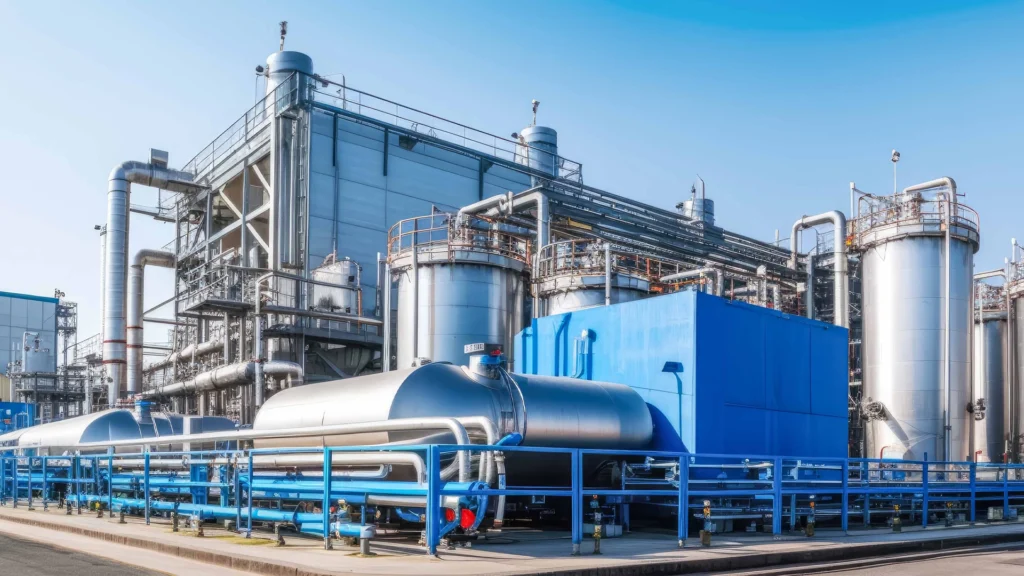
Solar, wind, and other renewable energy installations need bus bars to facilitate efficient energy transfer. Bus bars contribute to the reliable and efficient operation of renewable energy systems by handling high currents and harsh environmental conditions.
Photochemical etching, also known as precision chemical machining, chemical blanking, or acid etching, is an exact subtractive manufacturing process where chemical etchants selectively remove metal from a thin sheet to create intricate shapes, patterns, and features. Unlike traditional methods, photochemical machining does not involve mechanical force or direct contact with the sheet of metal, minimizing the risk of distortion, burrs, or stress-induced deformation.
The benefits of photochemically etching carrier plates include fabricating precise parts with intricate geometries and accurate patterns.
Here are additional benefits of titanium photochemical etching:
With a history of engineering excellence, PEI is among the top companies providing photochemically etched metal parts and components for various critical industries.
With ISO-9001:2008 and AS9100 certifications, PEI was also granted certification under the International Traffic in Arms Regulation (ITAR) in 2010, enabling it to provide weapon system components and accessories in compliance with the Code of Federal Regulations implemented by the U.S. Department of State.
Our rigorous inspection processes and testing procedures ensure that every product we produce meets stringent accuracy, reliability, and performance standards.