Bringing new medical devices to market requires a careful balance of innovation, precision, regulatory considerations, and speed. Before a device can advance to clinical evaluation, manufacturing validation, or commercial production, engineers must complete multiple rounds of design verification, prototype testing, and functional testing. The faster these iterations occur, the faster development teams can identify design flaws, improve performance, and move through the medical device development process.
Unfortunately, traditional manufacturing methods often become a bottleneck during early-stage development. Tooling requirements, machining lead times, and non-recurring engineering (NRE) costs can add weeks or months to development schedules. When multiple iterations are required, these delays compound, increasing project costs and slowing time-to-market.
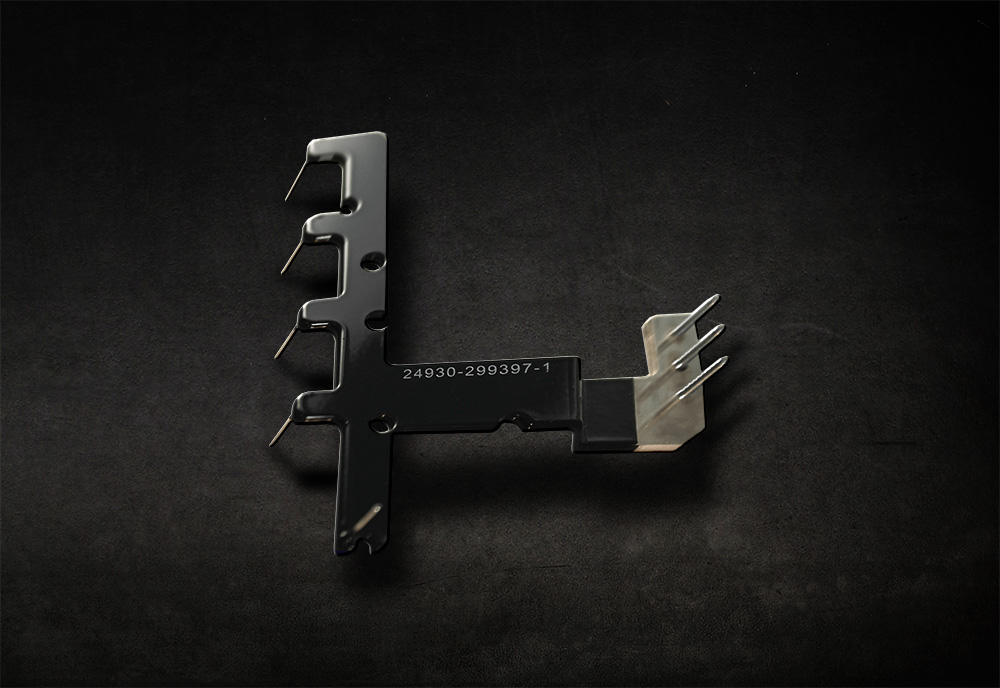
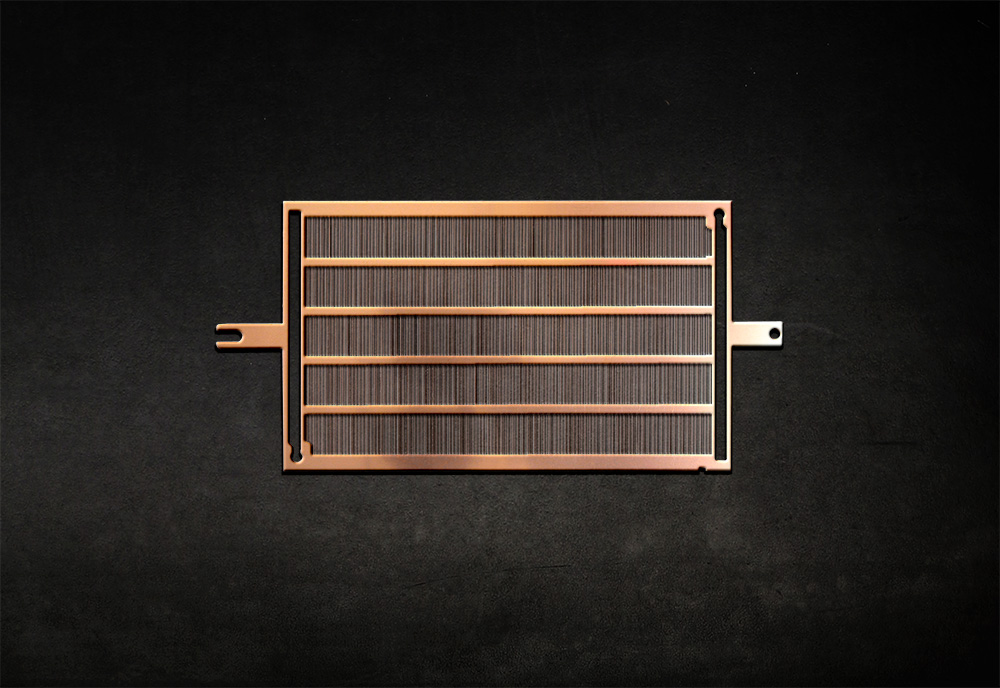
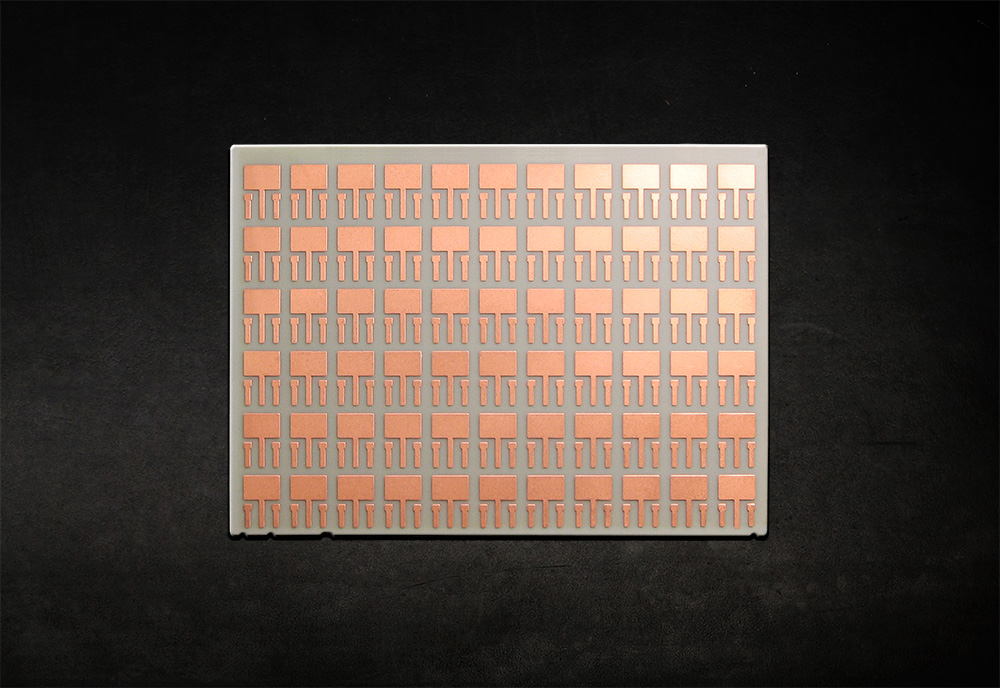
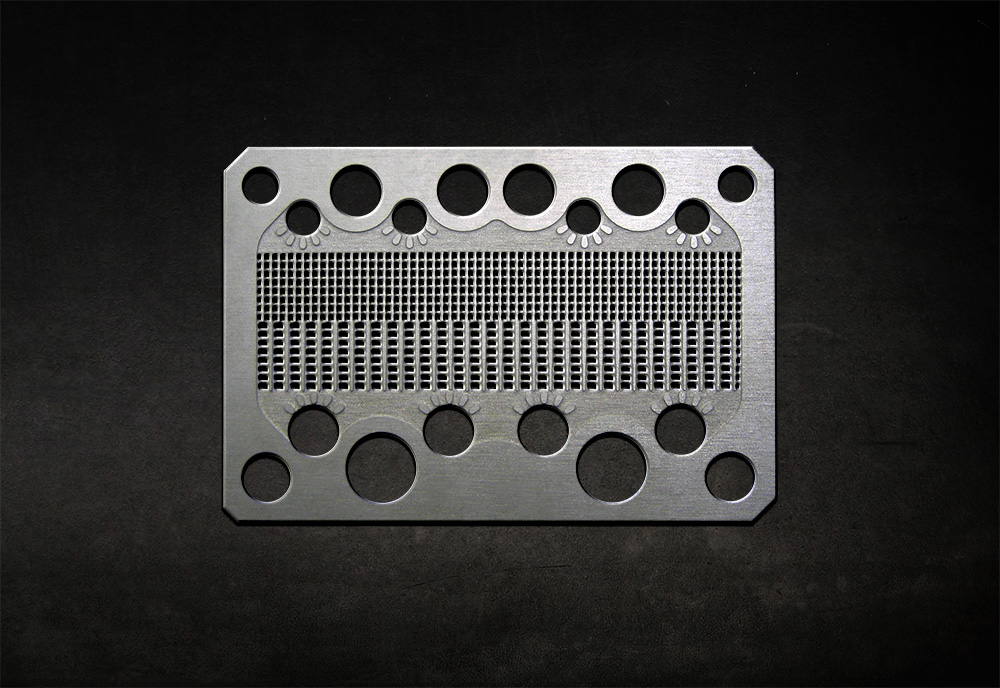
Through precision chemical machining, PEI enables rapid prototyping of medical devices, eliminating tooling while maintaining tight tolerances, material integrity, and patient safety. This allows engineers to accelerate development timelines and transition seamlessly from prototype to production-ready components.
Whether developing surgical instruments, implantable devices, diagnostic equipment, or micro-scale precision components, PEI provides the speed, accuracy, and manufacturing expertise needed to support successful product development.
Medical device development prototyping presents unique challenges compared to many other industries. Components must satisfy strict performance requirements while supporting an increasingly compressed development process.
Traditional manufacturing methods often require hard tooling, molds, dies, or specialized fixtures before a prototype can be produced. These upfront investments can significantly increase development costs while extending lead times.
When design revisions occur, tooling modifications may be required, creating additional delays and expenses. For engineering teams working under aggressive project timelines, tooling becomes a major obstacle to rapid innovation.
The medical device prototyping process is inherently iterative. Engineers frequently need to evaluate multiple geometries, feature configurations, materials, and performance characteristics before finalizing a design.
When manufacturing methods are dependent on tooling, every design change can trigger additional costs and schedule impacts. This often limits the number of design variations that can realistically be evaluated during development.
The medical industry operates within a highly regulated environment where documentation, traceability, quality control, and process consistency are critical.
Prototype components frequently serve as the foundation for design verification, validation activities, and regulatory submissions. Maintaining consistency throughout the development process helps support regulatory compliance while reducing downstream risk.
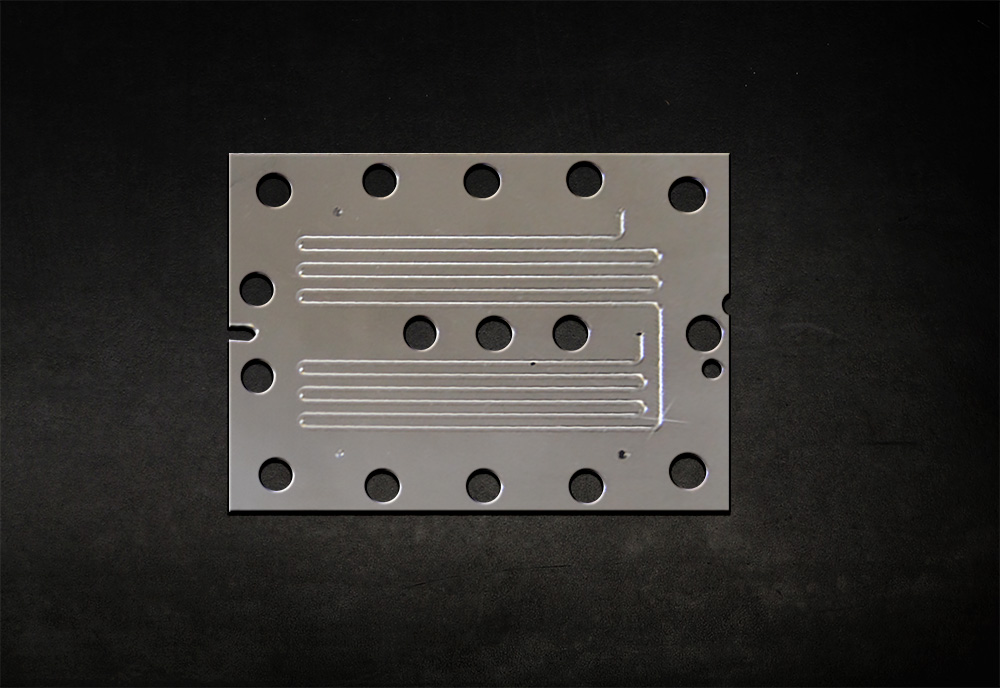
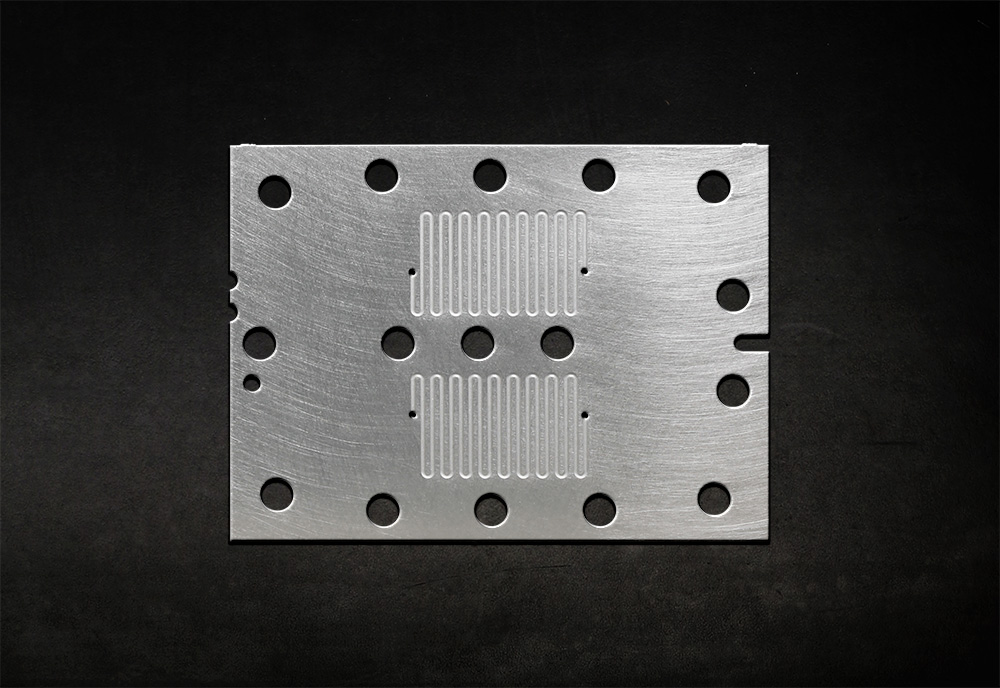
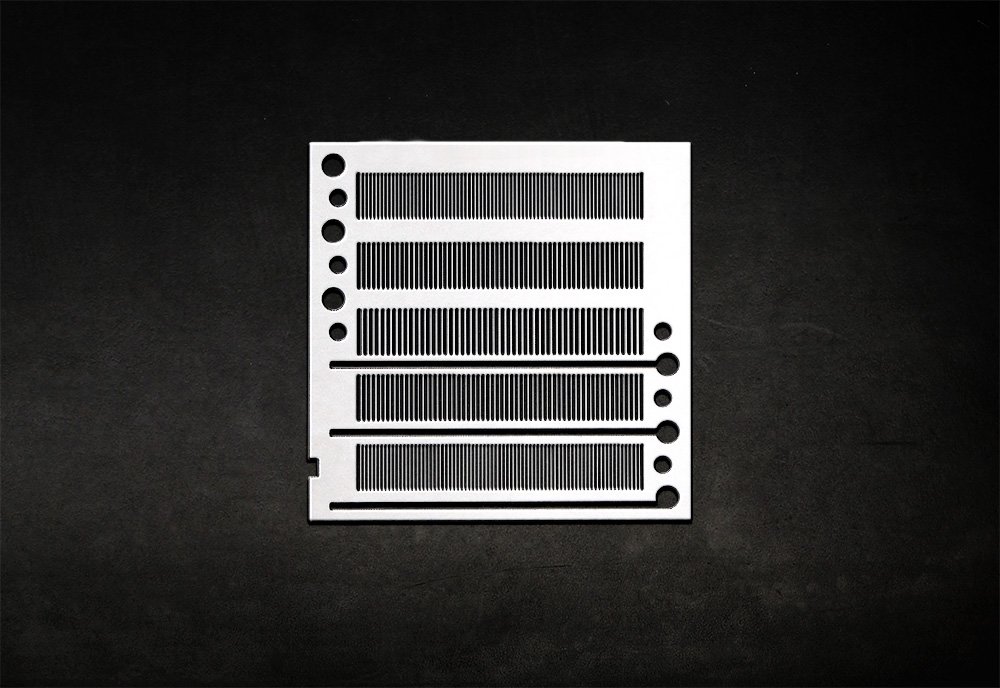
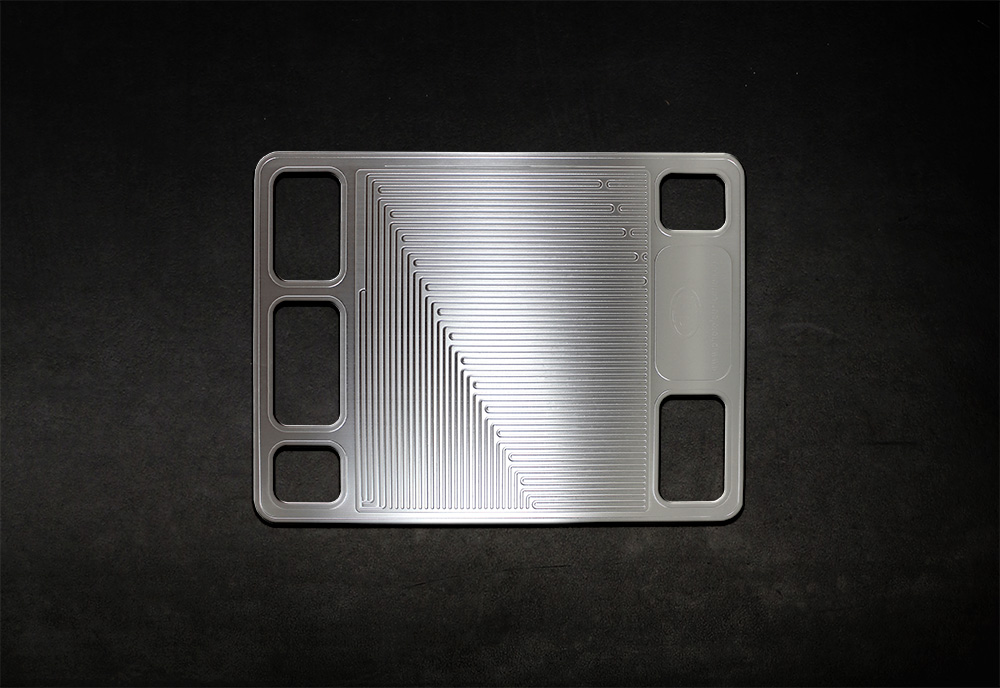
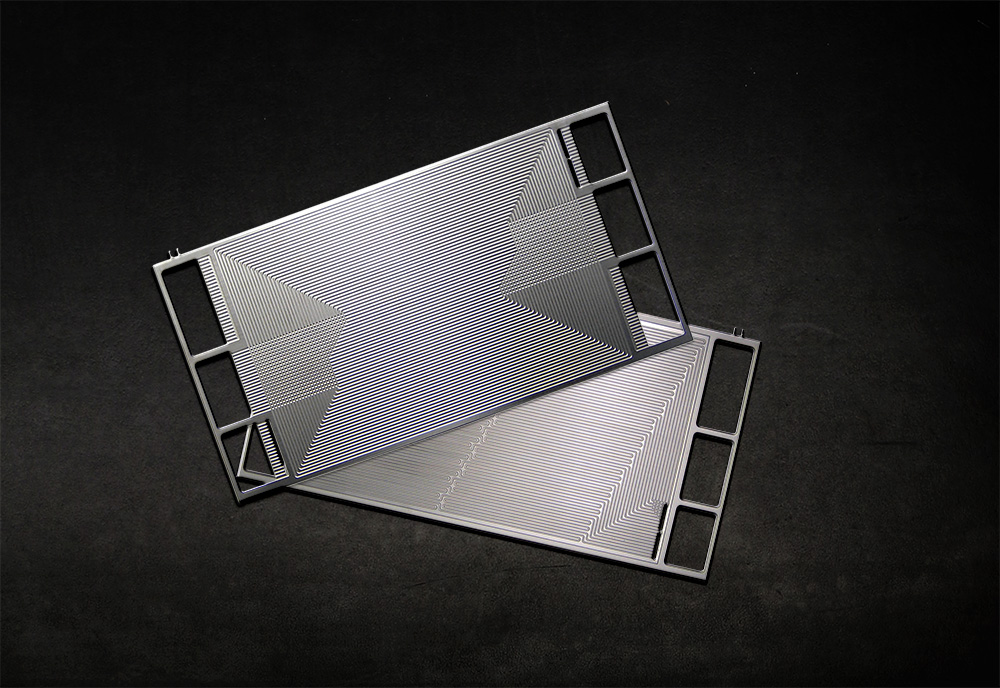
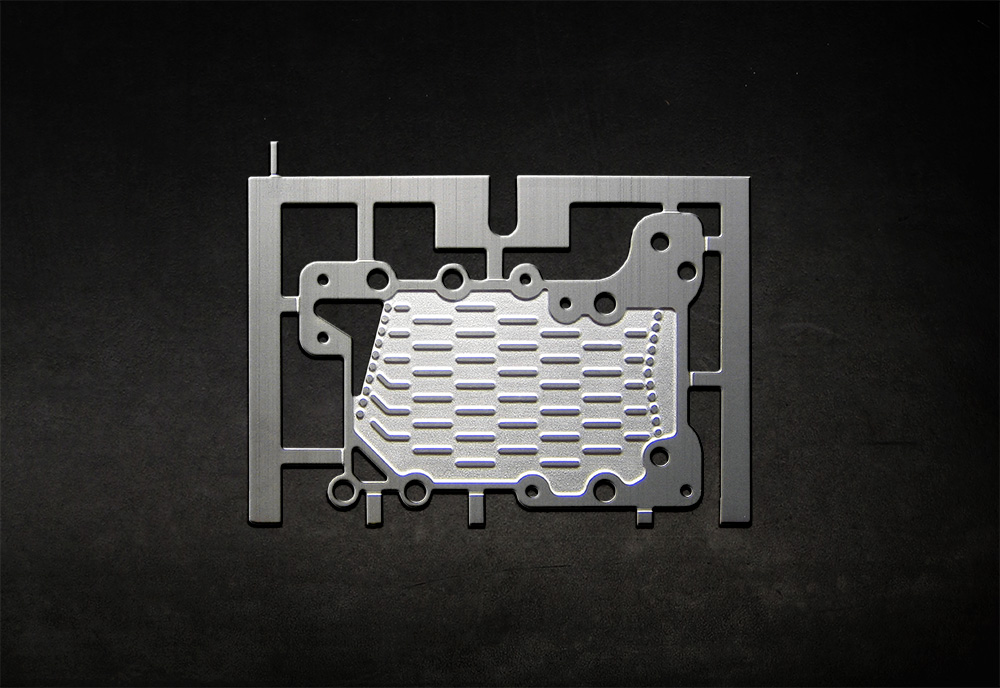
Photochemical etching has become one of the most effective manufacturing methods for producing precision medical prototypes. The process eliminates many of the limitations associated with machining, stamping, laser cutting, and other traditional fabrication techniques.
Here’s why:
Unlike conventional manufacturing methods, photochemical etching does not require hard tooling.
Digital artwork replaces expensive dies and molds, allowing designs to be modified quickly and economically throughout development. Engineers can evaluate multiple concepts without incurring significant tooling expenses or schedule delays.
Because there is no tooling to design, manufacture, or modify, PEI can deliver medical prototypes significantly faster than many conventional fabrication methods.
In many cases, engineering teams can receive prototype components in as little as five business days, dramatically reducing development cycle times.
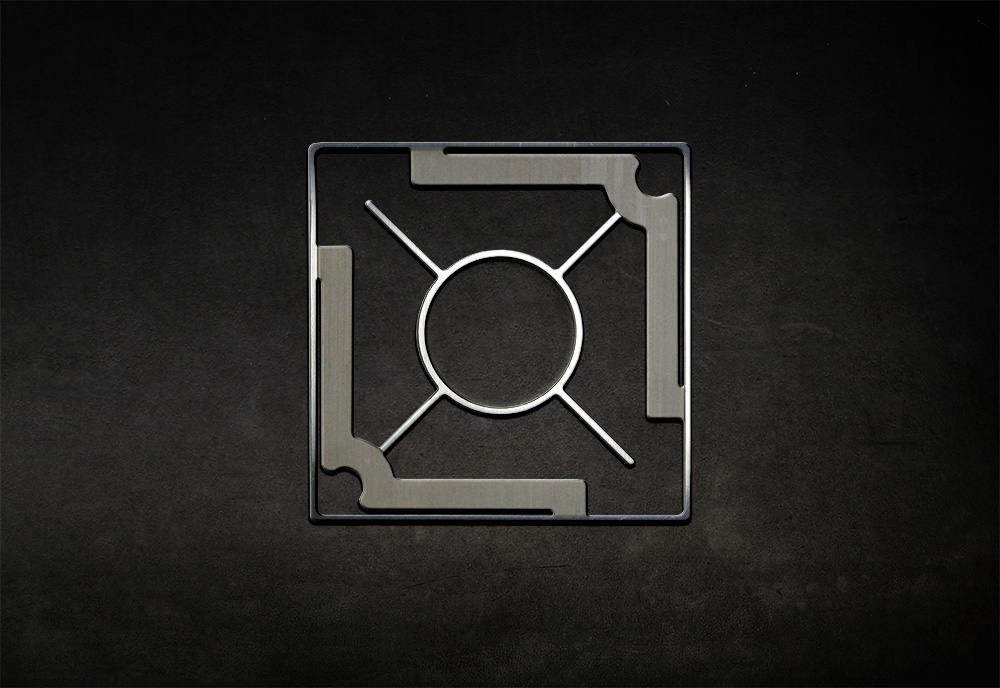
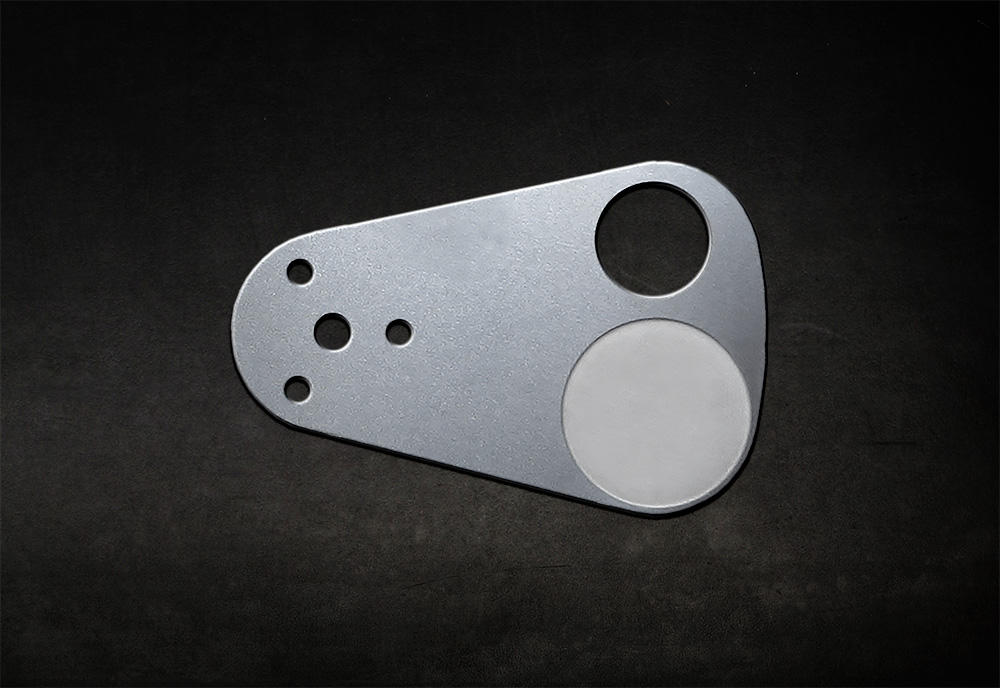
Photochemical etching produces highly accurate components with tight tolerances and exceptional repeatability. Complex geometries, intricate features, and thin material sections can be manufactured consistently across prototype quantities.
This precision is essential when evaluating performance-critical medical components.
Unlike machining or laser cutting, photochemical etching introduces no mechanical stress and creates no heat-affected zones.
The result is clean, burr-free components that preserve material properties and eliminate the need for extensive secondary finishing operations.
For most prototyping in medical devices, the greatest challenge is not manufacturability—it’s time-to-iteration.
Every day spent waiting on tooling, machining, or design revisions delays engineering validation and increases overall development costs.
PEI helps development teams accelerate progress through:
As a result, PEI can support FDA-relevant medical-grade prototyping in as little as five days while eliminating tooling and NRE costs.
This ability to quickly evaluate, refine, and validate designs often creates a significant competitive advantage during product development.
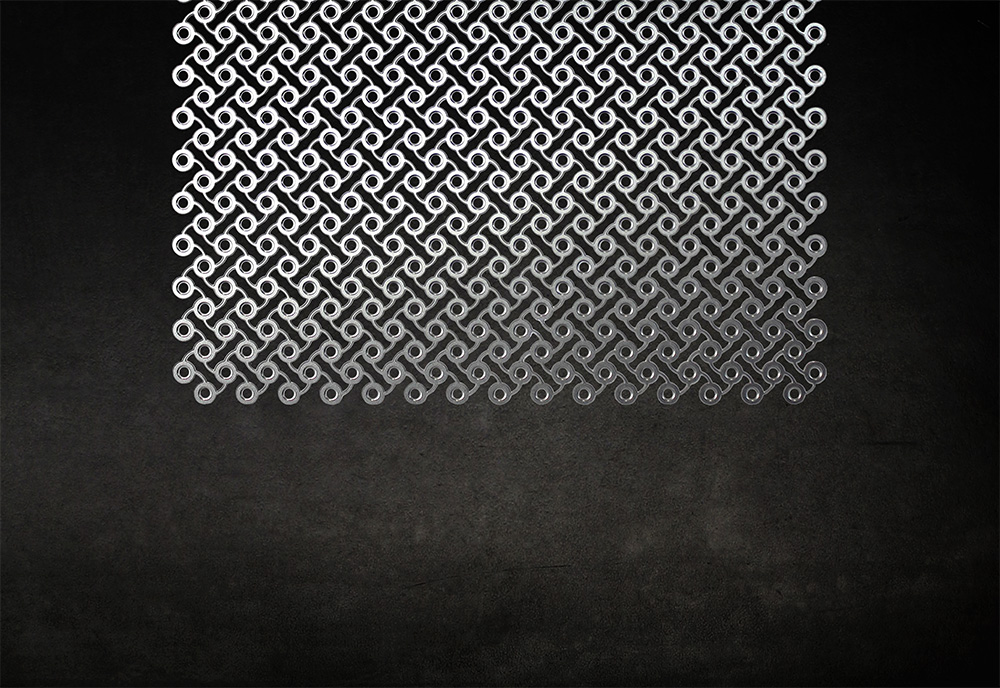
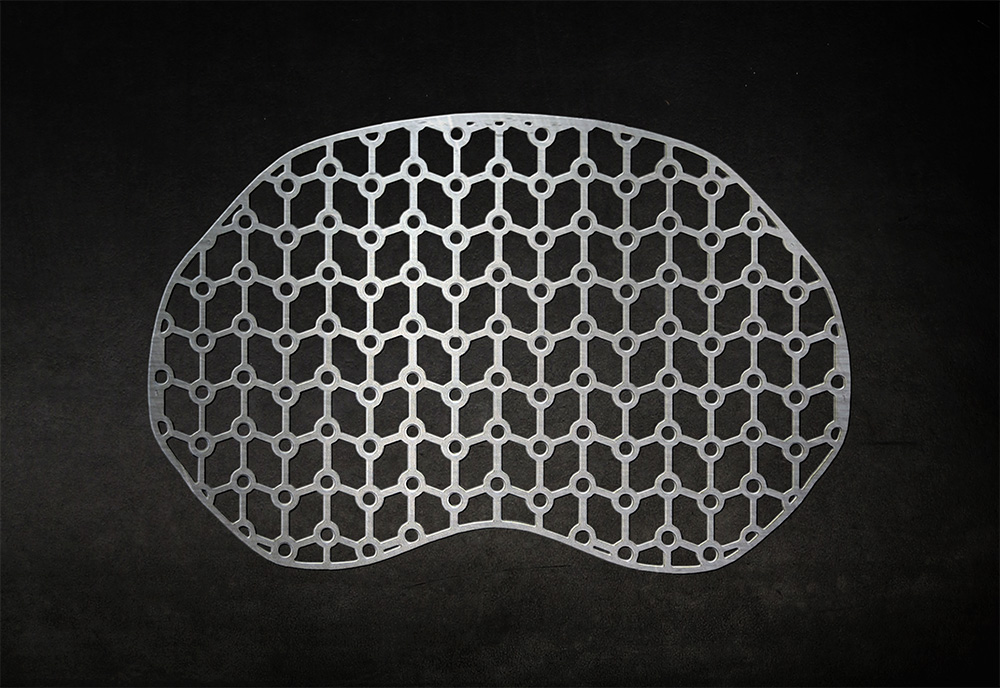
Material selection is critical not only for performance but also for manufacturability within regulatory and prototype validation constraints.
PEI supports a broad range of medical-grade materials commonly used throughout the medical technology sector.
Titanium remains one of the most widely specified materials for implantable and surgical applications.
Benefits include:
Learn more about our Titanium etching.
Stainless steel offers exceptional durability, corrosion resistance, and versatility.
It is commonly used in:
Learn more about our Stainless Steel etching.
Kovar provides excellent thermal stability and controlled expansion characteristics, making it valuable for specialized medical applications requiring dimensional consistency across temperature ranges.
Nitinol’s shape-memory and superelastic properties make it ideal for minimally invasive devices and advanced implant technologies.
PEI supports precision etching of Nitinol components requiring intricate geometries and tight tolerances.
Nitinol’s shape-memory and superelastic properties make it ideal for minimally invasive devices and advanced implant technologies.
PEI supports precision etching of Nitinol components requiring intricate geometries and tight tolerances.
In medical device development, speed matters. The ability to move quickly from concept to prototype can significantly reduce development timelines, improve engineering efficiency, and accelerate product launches.
Traditional manufacturing methods often introduce delays through tooling design, machining setup, and lengthy lead times. Precision photochemical machining removes these barriers by eliminating tooling entirely, allowing PEI to deliver precision medical prototypes in as little as five business days.
This speed enables engineering teams to:
Every development team eventually encounters unexpected challenges during the design process. Features may require refinement, geometries may need adjustment, or performance testing may reveal opportunities for improvement.
Because photochemical etching relies on digital artwork rather than hard tooling, revisions can be implemented quickly and economically. This supports multiple iterations throughout development without incurring significant manufacturing delays.
Instead of waiting weeks for revised tooling, engineers can move directly into the next validation cycle.
Every development team eventually encounters unexpected challenges during the design process. Features may require refinement, geometries may need adjustment, or performance testing may reveal opportunities for improvement.
Because photochemical etching relies on digital artwork rather than hard tooling, revisions can be implemented quickly and economically. This supports multiple iterations throughout development without incurring significant manufacturing delays.
Instead of waiting weeks for revised tooling, engineers can move directly into the next validation cycle.
Photochemical etching supports a wide range of medical device applications that require precision, repeatability, and biocompatibility.
Some of the main applications include:
Modern surgical instruments increasingly incorporate smaller, more complex components designed to improve precision and reduce invasiveness.
PEI supports prototype and production development for:
The ability to produce fine features and intricate geometries allows engineers to develop advanced instruments without manufacturing limitations influencing design intent.
Implantable devices require exceptional precision, material integrity, and biocompatibility.
Photochemical etching is particularly well suited for:
Because the process introduces no heat-affected zones or mechanical stress, critical material properties remain intact throughout manufacturing.
Diagnostic systems often rely on highly accurate metal components to support sensing, imaging, fluid handling, and precision alignment functions.
PEI manufactures components used in:
Dimensional accuracy and repeatability are essential in these applications, where even minor variations can affect measurement consistency and overall device performance.
As medical devices continue to shrink in size, the demand for highly precise miniature components continues to grow.
PEI’s photochemical etching capabilities support the production of:
The ability to manufacture intricate geometries without introducing mechanical stress makes photochemical etching particularly valuable for small, high-performance medical components.
See all the ways we support the Medical industry.
Successful medical device development requires more than a fast prototype. It requires a manufacturing partner capable of supporting every stage of the product lifecycle.
PEI helps engineers move seamlessly from prototype through validation and into full production while maintaining consistency, quality, and performance.
Many prototyping methods require significant process changes when transitioning to production. This often introduces risk, increases validation requirements, and creates opportunities for manufacturing variation.
Photochemical etching eliminates many of these concerns.
Because the same manufacturing process is used throughout development and production, engineers can confidently scale designs without fundamentally changing how parts are produced.
Medical device manufacturers rely on repeatable performance throughout the development process.
PEI’s controlled manufacturing environment ensures:
This consistency helps support engineering validation while reducing uncertainty during product development.
The ability to rapidly iterate designs while maintaining process consistency helps reduce overall development risk.
Engineering teams can identify and address design flaws earlier, conduct more effective functional testing, and make informed design decisions before committing to production validation activities.
The ability to rapidly iterate designs while maintaining process consistency helps reduce overall development risk.
Engineering teams can identify and address design flaws earlier, conduct more effective functional testing, and make informed design decisions before committing to production validation activities.
One of the most significant advantages of photochemical etching is process continuity.
Unlike manufacturing methods that require redesigns or tooling modifications when scaling production, photochemical etching supports a continuous workflow from prototype through commercialization.
Benefits include:
This streamlined workflow helps engineering teams maintain momentum while reducing project complexity.
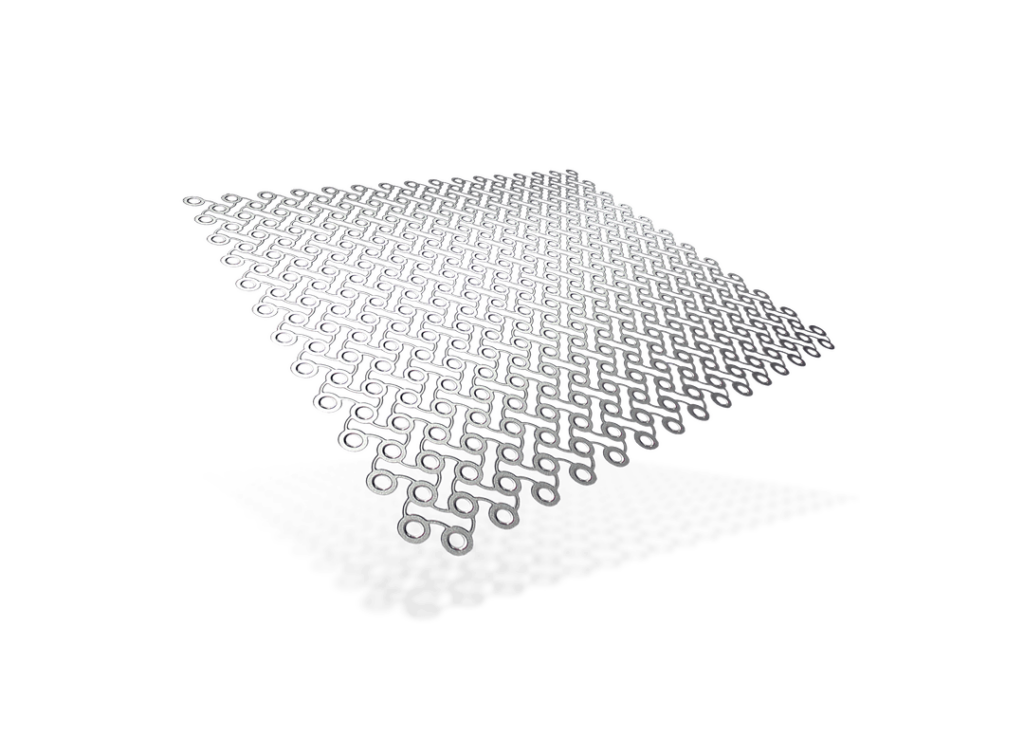
While FDA approval applies to finished medical devices rather than to component manufacturers, PEI’s manufacturing processes align with the quality expectations commonly required throughout medical device development.
This includes:
These capabilities help support customers as they progress through their own regulatory pathways.
PEI maintains internationally recognized quality certifications that demonstrate our commitment to manufacturing excellence and continuous improvement.
Our quality systems help ensure:
Every component produced at PEI is supported by rigorous quality assurance procedures.
Our inspection capabilities include:
By maintaining strict control throughout production, PEI helps ensure every prototype and production component meets customer expectations.
View all our Quality/Certifications.

Medical device prototyping is ultimately about reducing time-to-iteration while maintaining the precision required for successful product development.
PEI enables engineers to accelerate development timelines through precision photochemical etching that eliminates tooling, reduces costs, and supports rapid design validation. With our precision process, we support FDA-relevant medical-grade prototyping in as little as five days while eliminating tooling and NRE costs.
From surgical instruments and implantable devices to diagnostic equipment and micro-scale precision components, our manufacturing expertise helps engineering teams move quickly from concept to production-ready solutions.
Speak with an Engineer today to discuss your project or Request a Quote.
Industries and technologies evolve when people work together to push boundaries and uncover new solutions. For over 50 years, we’ve stood shoulder to shoulder as leading companies across every market sector push forward with revolutionary changes that change the world. We are ready to share and leverage knowledge and expertise to collaborate with our customers for mutual success.


PEI’s long history of meeting and exceeding industry standards and customer expectations began in 1968. For over 50 years, we’ve kept quality assurance at the forefront of our work by training our manufacturing teams, maintaining our equipment, and establishing rigorous internal controls. PEI holds several certifications, including ISO9001:2015, AS9100:2016, and ITAR. We adhere to MIL-STD-45662, MIL-STD-105, and ANSI/ASQC Z1.4 quality standards.
Partner with the world leader in etching titanium and stainless steel 316 for medical applications.