
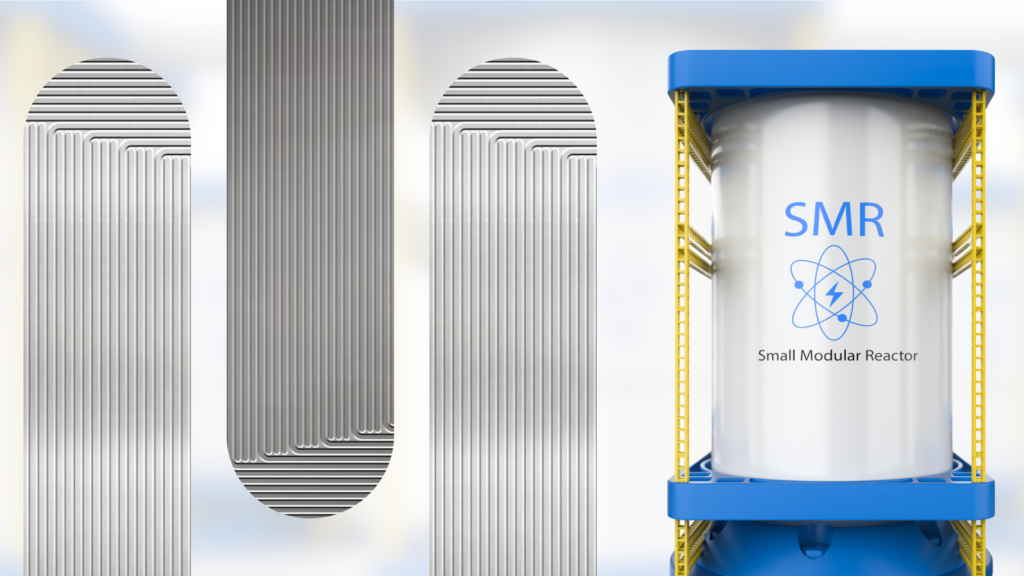
Small modular reactors (SMRs) are rapidly emerging as a practical, scalable solution for modern nuclear energy needs. Designed to deliver reliable, low-carbon power with enhanced safety and flexibility, SMRs are reshaping how engineers approach reactor design, deployment, and long-term operation. As interest grows across utilities, governments, and private industry, the success of these systems depends on one critical factor: component precision.
Unlike traditional large-scale systems found in conventional nuclear power plants, SMRs rely on compact, highly integrated architectures. This places greater emphasis on dimensional accuracy, material performance, and reliability at the component level. Even minor inconsistencies in geometry, surface condition, or material integrity can impact neutron behavior, thermal efficiency, or long-term system stability.
At PEI, we specialize in precision photochemical etching of thin metal components for high-performance applications. As a U.S.-based manufacturer with decades of experience supporting aerospace, medical, and nuclear programs, we deliver scalable, high-quality parts with tight tolerances and rapid turnaround.
This article explores how precision-etched components support SMR design and performance and examines why photochemical etching is uniquely suited to advanced reactor applications.
Why Precision Components Matter in Nuclear Power and Small Modular Reactors (SMRs)
In any reactor system, precision is directly tied to performance, safety, and regulatory compliance. In small modular reactors (SMRs), where systems are more compact and tightly integrated, the margin for error is even smaller.
Neutron Flux Management and Heat Transfer
SMRs must maintain precise control over neutron flux to sustain stable reactions. Components such as absorbers, grids, and shielding elements must be manufactured with consistent geometries to ensure predictable neutron interaction. Any deviation can affect reactor efficiency and safety.
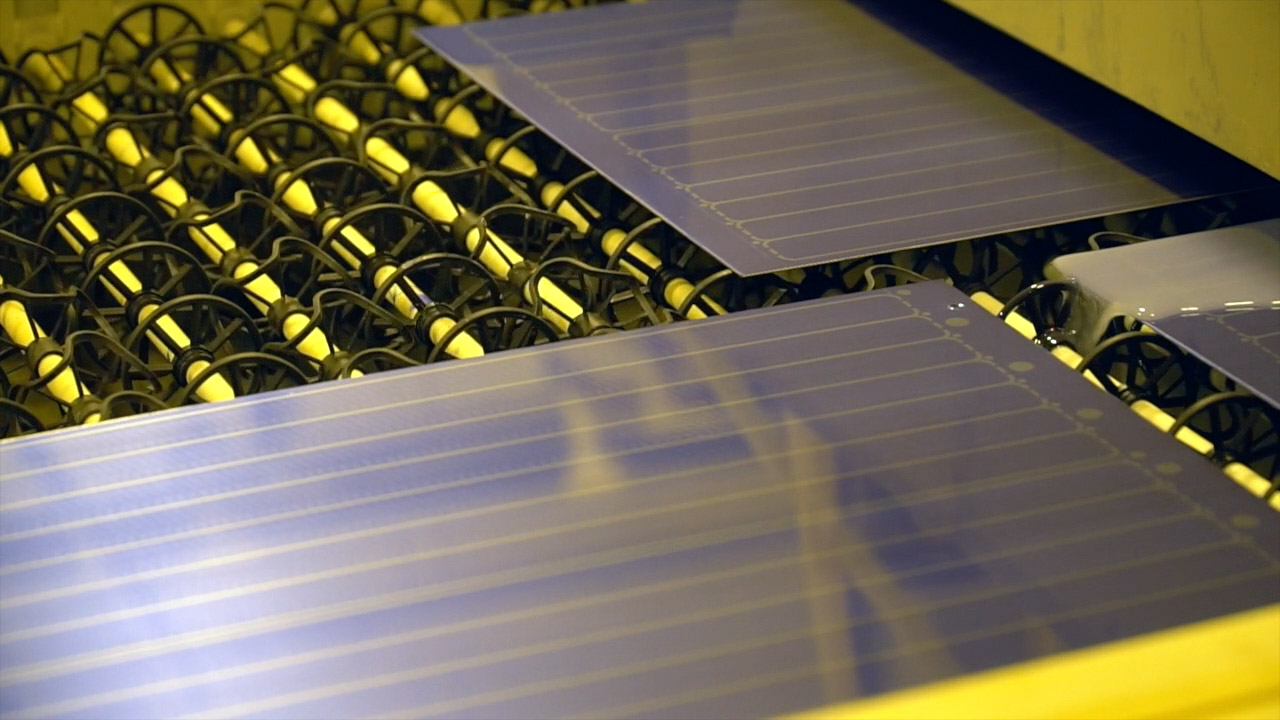
Similarly, heat transfer systems, often involving compact exchangers and microchannel structures, depend on accurate channel geometry and smooth surfaces. These features directly influence cooling performance and overall system efficiency.
Reducing Mechanical Failure Risk
Reactor components are exposed to extreme environments, including high temperatures, radiation, and pressure fluctuations.
Mechanical stress introduced during manufacturing can lead to:
- Microcracking
- Distortion
- Premature material failure
Precision manufacturing methods that minimize stress are critical to long-term reliability.
Meeting Regulatory Standards
SMR components must meet strict nuclear regulatory requirements.
Regulatory requirements include:
- Material traceability
- Dimensional consistency
- Repeatable manufacturing processes
Precision-etched components support these requirements by enabling controlled, repeatable production without introducing variability.
Compatibility with Nuclear-Grade Materials
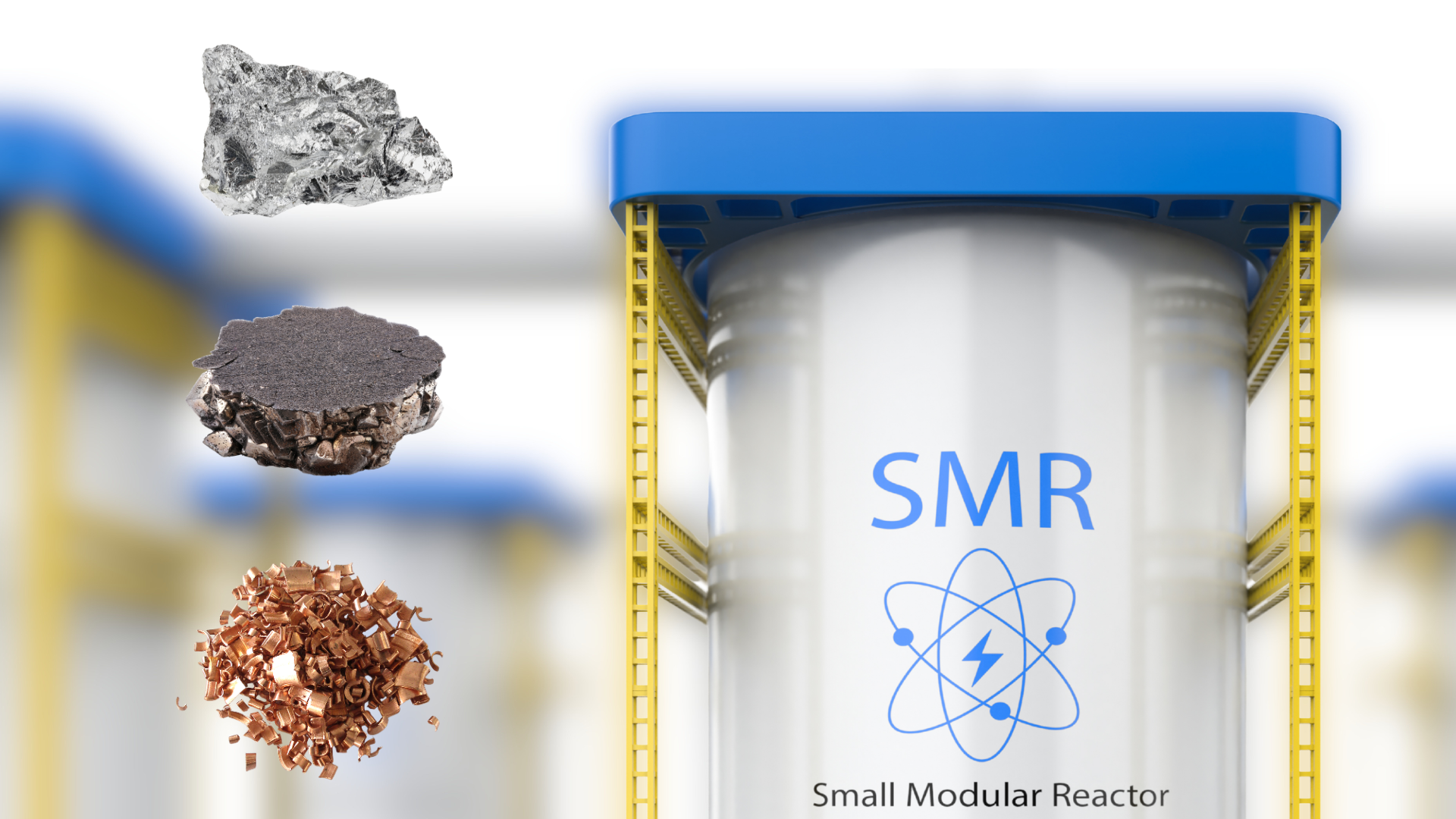
Materials such as hafnium, zirconium, and beryllium copper are commonly used in reactor environments due to their neutron absorption and mechanical properties. These materials can be difficult to machine, making photochemical etching an ideal alternative.
Precision-Etched Components in SMR Systems
Precision-etched components are used throughout SMR systems to support both structural and functional performance.
Some of the most common components include:
Neutron Absorbers
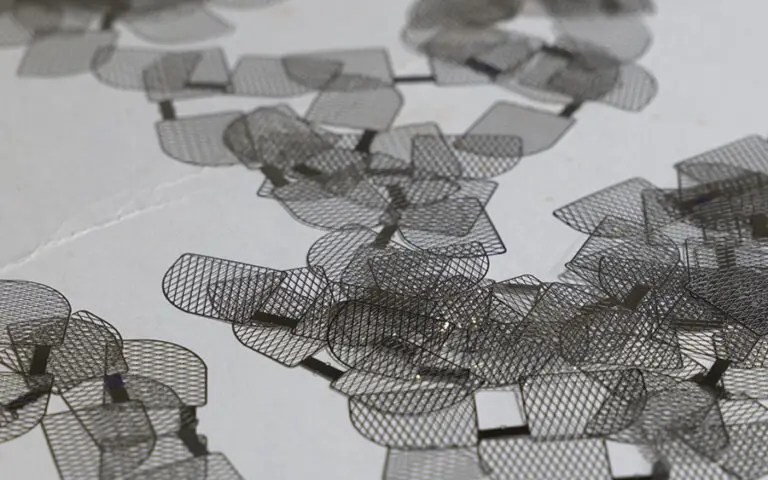
Hafnium and boron-based materials are widely used as neutron absorbers in nuclear reactors, where precise performance is critical. These components require uniform perforations, consistent thickness, and high dimensional accuracy to ensure predictable neutron behavior.
Photochemical etching provides precise control over these features, enabling consistent geometry and reliable neutron interaction across the entire component.
Fuel Support Grids and Spacers
Fuel assemblies rely on grids and spacers to maintain precise alignment and spacing throughout the reactor. These components must withstand high temperatures, maintain structural integrity, and avoid introducing stress points that could impact long-term performance.
Photochemical etching produces flat, stress-free geometries that help ensure consistent positioning and support stable reactor operation over time.
Heat Exchangers and Microchannel Components
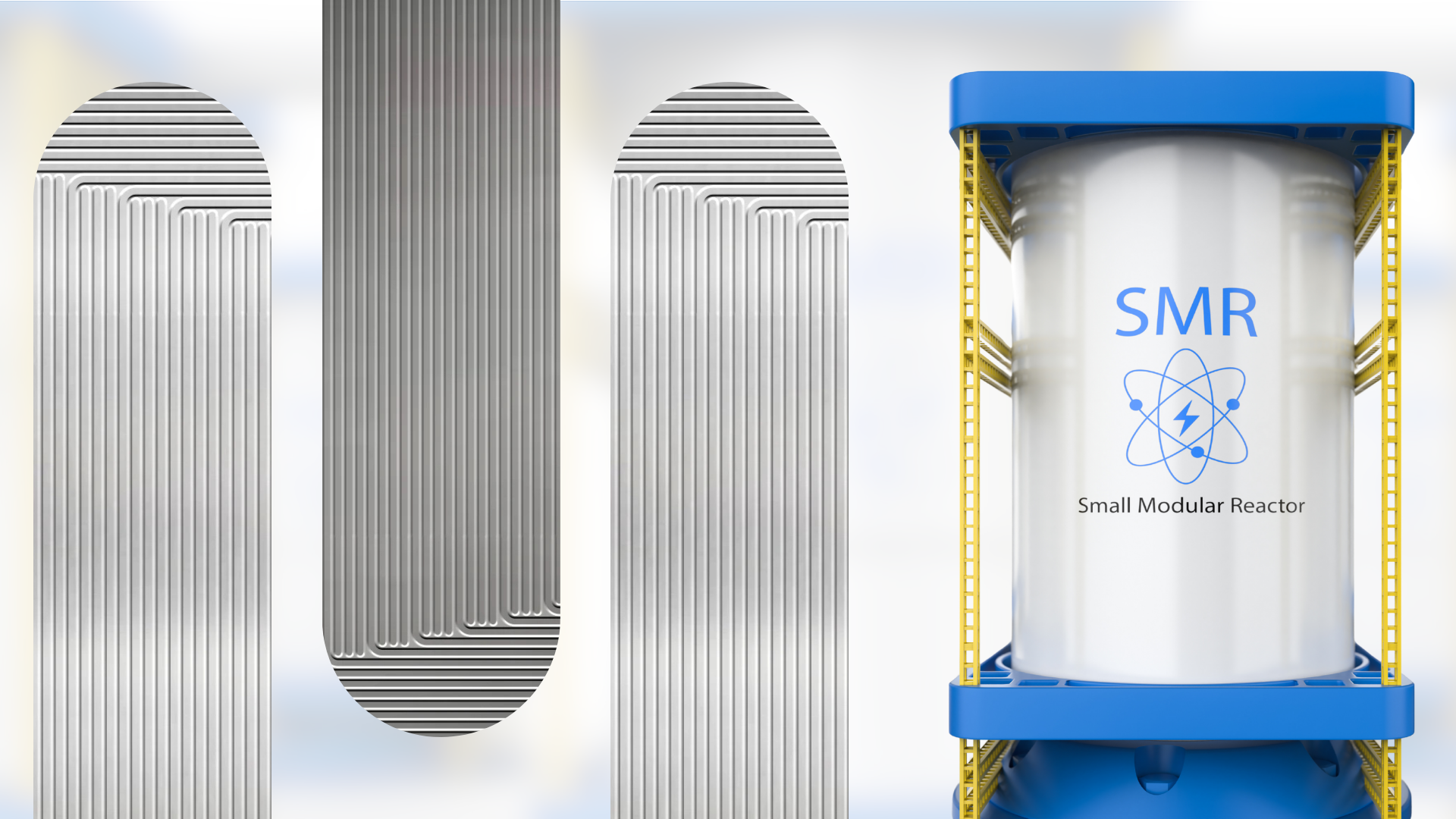
Advanced SMRs often incorporate compact heat exchangers and microchannel structures to improve thermal efficiency within limited space. These components play a critical role in managing heat and maintaining system performance.
Photochemical etching enables fine channel geometries, smooth flow paths, and consistent feature accuracy, all of which contribute to high heat transfer efficiency.
These capabilities are essential for systems designed to support electricity generation in compact, high-performance environments.
Precision Brackets and Instrumentation Components
Instrumentation systems require highly accurate mounting and alignment components. These parts must maintain dimensional stability over time, even under thermal and radiation exposure.
Etched components provide the precision needed for consistent performance.
Design Considerations for SMR Components
Designing components for SMRs involves balancing performance, manufacturability, and regulatory compliance.
To ensure precision and performance, the following considerations must be taken into account during the design process:
Material Selection
Material selection plays a critical role in SMR component performance, influencing everything from neutron behavior and thermal stability to corrosion resistance and long-term reliability.
Common materials include:
- Hafnium for neutron absorption
- Zirconium for corrosion resistance and structural stability
- Beryllium copper for mechanical performance
Each material presents unique challenges in machining, particularly in thin sections.
Geometry and Feature Complexity
Geometry plays a critical role in SMR component performance, particularly in systems where space is limited and precision is essential.
SMR components often include:
- Thin walls
- Perforations
- Complex internal features
Traditional manufacturing methods struggle to produce these features without distortion.
Tolerances and Alignment
Maintaining tight tolerances is essential to ensure proper alignment and consistent performance within SMR systems.
Maintaining tight tolerances is critical to avoid:
- Reactor misalignment
- Uneven heat distribution
- Inconsistent neutron behavior
Photochemical etching enables precise dimensional control across complex geometries.
Stress Management
Managing stress during manufacturing is vital to preserving material integrity and long-term component reliability.
Mechanical and thermal stresses introduced during manufacturing can compromise material integrity. Photochemical etching eliminates:
- Heat-affected zones
- Mechanical deformation
This results in components that maintain their original properties.
Prototyping and Iteration
SMR designs are evolving rapidly, particularly as part of initiatives like the advanced reactor demonstration program.
Low tooling costs associated with etching allow engineers to prototype and iterate designs quickly, accelerating development timelines.
Why Photo Etching is the Ideal Process for SMR Parts
Photochemical etching offers several advantages that make it particularly well-suited for nuclear applications.
Stress-Free Manufacturing
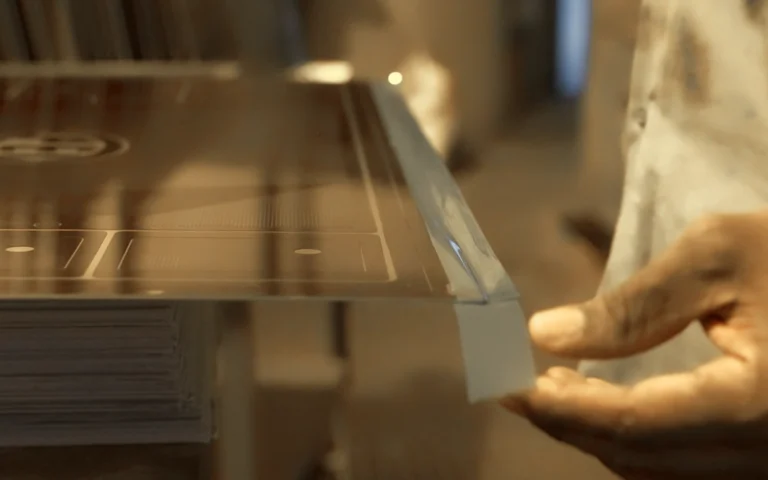
The process removes material chemically rather than mechanically, eliminating stress that can cause cracking in brittle alloys.
High Precision for Complex Geometries
Unlike traditional machining methods, photo etching enables:
- Fine features
- Tight tolerances
- Intricate patterns
These capabilities are essential for advanced reactor components.
Consistent Perforations and Edge Quality
Uniform perforations are critical in neutron absorber applications. Etching produces consistent, burr-free features that support predictable performance.
Scalability
Photochemical etching supports both low-volume prototyping and high-volume production, making it suitable for evolving SMR programs.
Traceability and Marking
Etched components can include markings for traceability, supporting compliance with the standards required in the highly-regulated nuclear industry.
How PEI Supports SMR Component Design
PEI has developed a proven track record of providing comprehensive support for engineers working on SMR systems and advanced nuclear reactors. Our in-house engineering team collaborates closely with customers to evaluate material selection, optimize designs, and improve manufacturability from the earliest stages of development. This hands-on approach ensures components are designed for both performance and production efficiency.
We also bring deep material expertise and maintain stock and sourcing for nuclear-grade materials to ensure consistency, availability, and compliance with strict industry requirements. This allows us to support projects with confidence, even when working with specialized or hard-to-source alloys.
Our team supports fast development cycles through rapid prototyping and scalable production, enabling engineers to move efficiently from concept to production. Combined with our proven experience supporting OEMs across aerospace, medical, and nuclear sectors, we deliver high-reliability components that meet the demands of critical applications.
The Role of Precision in Power Generation and Advanced Reactors
The evolution of power generation is closely tied to advancements in reactor design. SMRs and other advanced reactors are enabling new approaches to energy production, including:
- Distributed energy systems
- Hybrid energy systems integrating renewables
- Applications in remote or mobile environments, such as a floating nuclear power plant
These systems often rely on passive safety features, reducing dependence on external power and improving resilience.
Emerging reactor concepts, such as the integral molten salt reactor and stable salt reactor, further emphasize the importance of precision manufacturing. These designs require components capable of withstanding extreme temperatures and corrosive environments while maintaining tight tolerances.
SMRs are also playing a growing role in nuclear waste management, enabling more efficient use of fuel and improved long-term sustainability.
The Evolving Landscape of SMRs and Advanced Reactors
The development of SMRs and advanced reactors is closely tied to the evolution of existing nuclear technologies and global regulatory frameworks. While SMRs introduce new design flexibility, they still build on principles established in conventional reactors, including the management of the nuclear chain reaction and the use of proven materials and fuel systems.
Many SMR designs draw from the operational experience of light water reactors, which remain the most widely deployed reactor type for electrical power generation. These systems typically use low-enriched uranium as their primary fuel source, and similar fuel strategies are being adapted for newer SMR platforms to ensure safety, efficiency, and regulatory alignment.
Global oversight from organizations such as the International Atomic Energy Agency, the Nuclear Regulatory Commission, and the Nuclear Energy Agency continues to shape how SMRs are designed, tested, and deployed. These bodies establish guidelines that influence everything from material selection to manufacturing precision, ensuring that components meet strict safety and performance standards.
Emerging designs, including fast neutron reactors and other next-generation systems, are expanding the possibilities of nuclear energy. Many of these concepts are being validated through prototype reactor programs, where precision components play a critical role in proving performance and reliability under real-world conditions.
Within these systems, components such as the steam generator remain essential for transferring heat into usable energy, while advanced fuel and cooling strategies improve efficiency and reduce waste. SMRs also open new opportunities for deployment in municipal power systems, providing scalable and reliable power solutions for smaller grids and remote locations.
As reactor designs continue to evolve, the need for precision manufacturing only increases. From managing uranium fuel behavior to supporting advanced cooling systems, every component must perform consistently within tightly controlled parameters, reinforcing the importance of high-precision fabrication methods like photochemical etching.
Precision Manufacturing in Nuclear Energy Research
Ongoing nuclear energy research continues to push the boundaries of reactor design. Engineers are exploring new materials, geometries, and cooling methods to improve performance and safety.
Precision-etched components support this innovation by enabling:
- Rapid prototyping
- Complex geometries
- Reliable performance
These capabilities are essential for advancing SMR technology and expanding its role in global energy systems.
Partner with the Leaders in SMR Reactor Design and Precision SMR Components
Precision-etched components are not just supporting elements; they’re critical to the success of modern SMR systems. From neutron absorbers to heat exchanger components, these parts directly influence performance, safety, and reliability.
By leveraging the precision of the photochemical etching process, engineers can achieve the accuracy and material integrity required for next-generation reactor designs.
At PEI, we stand ready to support your SMR project with expertise, advanced manufacturing capabilities, and a commitment to quality.
We design and manufacture SMR components with the precision, consistency, and reliability required to meet the challenges of this rapidly evolving sector.
Partner with PEI to develop high-performance components for your next SMR application.
If you’re ready to get started, talk with our team or request a quote.