
Photofabrication Engineering Inc. logo in red color for precision photochemical etching manufacturer.

Why Photo Etching Services Offer Better Precision and Consistency

In the world of manufacturing and engineering, precision and consistency are paramount. With costs, quality, accuracy and performance all key project considerations, choosing the right manufacturing process can make all the difference. 

Delivering high precision and consistency, photochemical etching is quickly becoming the preferred process for industries that require accuracy and quality.

Offering a number of advantages over traditional metal fabrication techniques, photochemical etching is ideal for producing parts with high-precision tolerances and complex geometries for a range of industries, from aerospace and medical, to electronics and defense. 

As the trusted leader in photo chemical and metal etching, the Photofabrication Engineering, Inc. (PEI) team has a long history of engineering excellence and a focus on providing the highest level of quality.

In this article, we break down the reasons why photo etching services deliver unmatched precision and consistency compared to traditional manufacturing techniques.

What is Photochemical Machining?

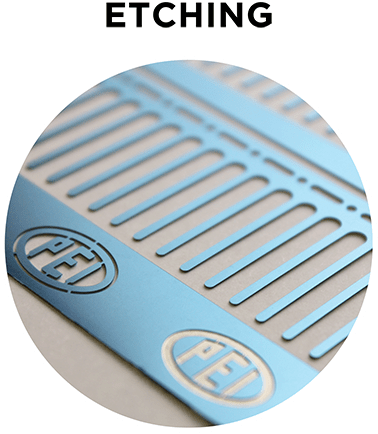
Photochemical machining, also known as photochemical etching, photo etching or chemical blanking, is a highly precise manufacturing process that enables the production of intricate metal components with exceptional accuracy.

The subtractive machining process uses chemical etchants to selectively remove metal from a thin sheet, creating intricate shapes, patterns, and features.

Unlike traditional methods, photochemical machining does not involve mechanical force or direct contact sheet metal, minimizing the risk of distortion, burrs, or stress-induced deformation.

First introduced in the 1960’s, the photo etching process was initially developed for fabricating intricate patterns on metal sheets to manufacture printed circuit boards. Over time, advancements in photochemical technology and materials led to its expansion into various industries, including aerospace, automotive, electronics, and medical.

Today, the photo chemical etching process, has become a highly specialized and versatile manufacturing method, revolutionizing how intricate metal parts are produced.

The advantages of Photochemical Machining

Photo etching offers unparalleled precision, tight tolerances, and consistency in manufacturing intricate components and precision parts. With its cost-effective nature, material flexibility, and stress-free processing, photo chemical etching has become preferred in industries that demand high-quality and complex parts.

Some of the key advantages delivered by the photo etching process include:

High Precision and Tight Tolerances

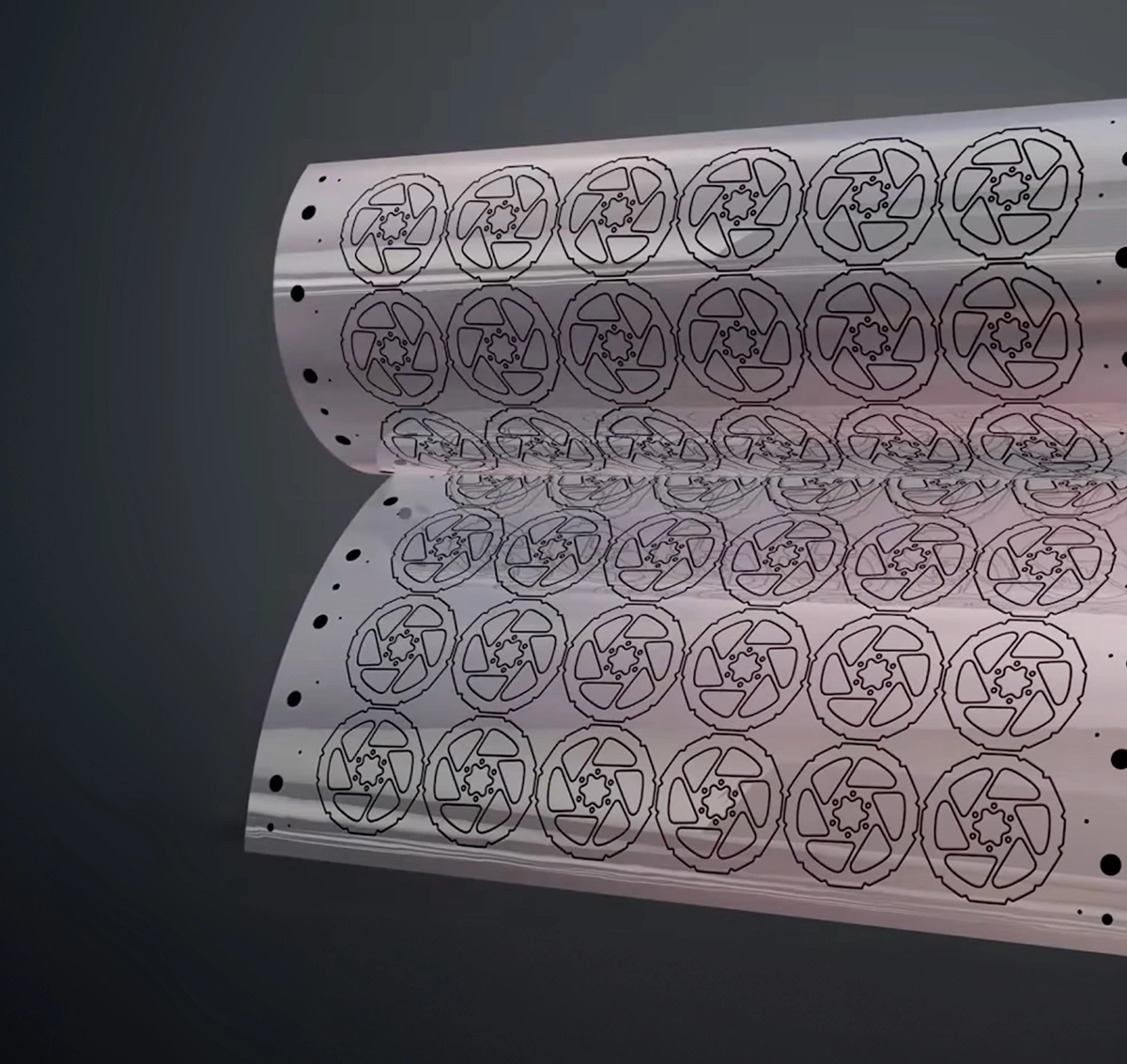
One of the key advantages of photo etching is its ability to achieve high precision and tight tolerances. The use of photolithography and chemical etching allows for the creation of intricate and complex geometries with extremely fine details. The accuracy of the photo tool ensures that the pattern is transferred onto the metal sheet with utmost precision, resulting in consistent and repeatable parts. This level of precision is difficult to achieve with other manufacturing methods, such as laser cutting or stamping.

Cost-Effective for Prototyping and Small Production Runs

Photo etching is a cost-effective solution for prototyping and small production runs. Unlike traditional machining processes that require expensive tooling and setup, photo etching does not incur significant upfront costs. The photo tool can be quickly produced at a fraction of the cost, making it an ideal choice for testing and validating designs before committing to large-scale production. Additionally, the digital nature of the photo tool allows for easy modifications and revisions, reducing the time and cost associated with design changes.

Material Flexibility

Another advantage of photo etching is its ability to work with various materials. The photo etching process can accommodate various metals, whether it’s stainless steelcopper, brass, or even exotic alloys. This flexibility in material selection allows for producing components with specific mechanical or chemical properties, meeting the unique requirements of different industries and applications. Furthermore, photo etching can process thin materials with ease, down to a fraction of a millimeter, without compromising on precision or quality.

Burrs and Stress-Free Manufacturing

Photo etching is a non-contact manufacturing process, meaning no physical force is applied to the material. This eliminates the formation of burrs, common in conventional machining methods. Burrs can affect the functionality and aesthetics of a component, requiring additional deburring operations. With photo etching, the chemical nature of the process ensures a clean and burr-free result, reducing post-processing requirements. Additionally, the stress-free nature of photo etching minimizes material distortion, allowing for the production of flat, warp-free parts.

Consistency and Reproducibility

Consistency and reproducibility are crucial factors in manufacturing. Photo etching delivers consistent results, thanks to its digital and automated nature. The photo tool ensures that every part produced is identical to the original design, eliminating variations that may arise from manual processes. Once the photo tool is created, the etching process can be repeated with high accuracy, ensuring the same precision and consistency throughout the production run.

While there’s no doubt that photo chemical etching offers numerous advantages, alternate, often traditional, manufacturing processes should still be considered.

Laser cutting has been popular because it uses a focused laser beam to cut through the metal. Although laser cutting provides fast and precise results, it can also generate heat, leading to potential thermal distortion and a narrower range of materials suitable for processing.

Another option worth considering is waterjet cutting, which utilizes a high-pressure jet of water mixed with abrasive materials. While waterjet cutting is effective for a wide range of materials, it may result in tapering edges and limited precision compared to photo chemical etching.

Additionally, traditional mechanical methods like stamping and punching can be employed, but they may lack the intricate detail and complexity achievable through photo chemical machining. When it comes to metal etching, each alternative has its limitations, making it crucial to assess the project’s specific requirements and select the most suitable etching process accordingly.

When to use Photochemical Machining

Affordable, fast and precise, photo chemical machining is the ideal process for a number of situations. Boasting reduced set-up costs, rapid turnaround times and minimal errors, photochemical machining is preferred for applications across various industries.

The photochemical etching process is commonly used in applications that include:

Automotive

Chemical etching is a highly effective and efficient process for creating various parts, including fuel injectors, brake components and sensors.

Aerospace

Some of the aerospace parts that can be produced through this method of metal etching include intricate and lightweight metal components such as aircraft engine blades, turbine disks, fuel nozzles, heat exchangers, brackets, shims, electrical contacts, screens, filters, and connectors.

Medical

Photochemical etching allows for the creation of intricate and complex shapes with high precision and tight tolerances, ensuring the accuracy and reliability of medical devices that include implants, filters, meshes, stents, diagnostic test strips, electrodes and more.

Materials that can be processed by Photochemical Machining

Renowned for its versatility as a manufacturing process, photo chemical etching can be applied to various materials.

Some of the more popular materials that can be processed include stainless steel, copper, brass, aluminum, nickel, titanium, and more.

The versatility also extends to the thickness of materials you can process, with the ability to work with thin foils as well as thicker sheets. It can produce intricate designs and fine features with exceptional precision, even for materials as thin as a few microns. The precision level may vary for thicker materials, but the metal etching process can still deliver accurate and consistent results up to several millimeters in thickness.

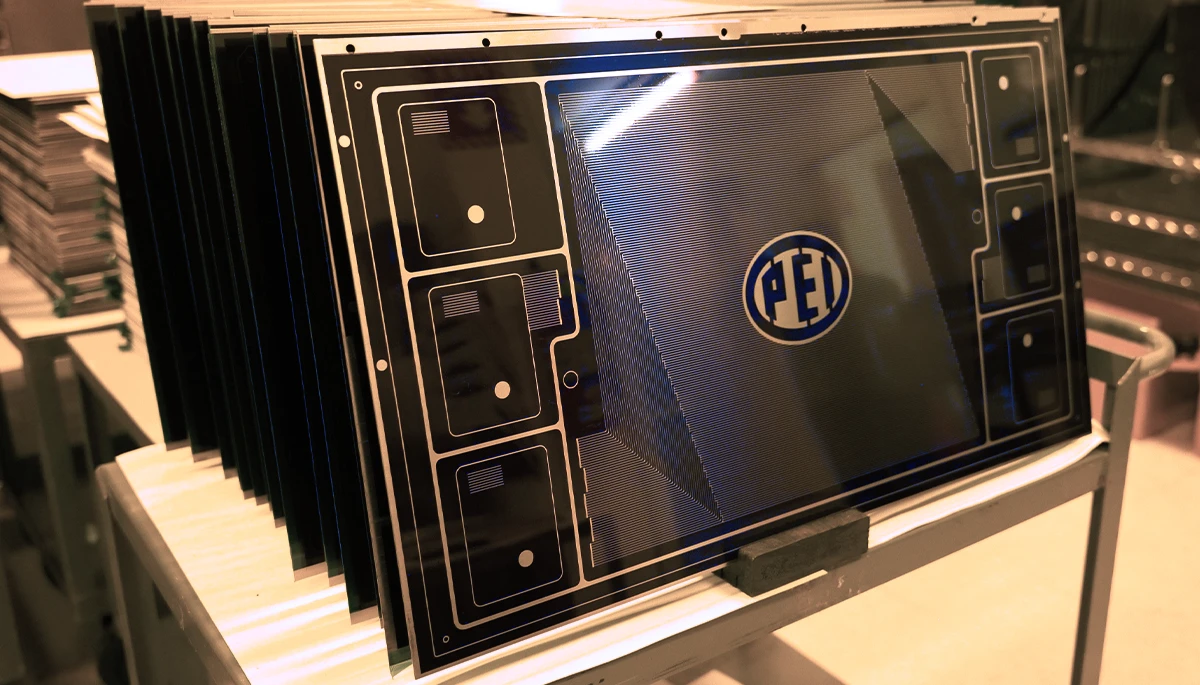
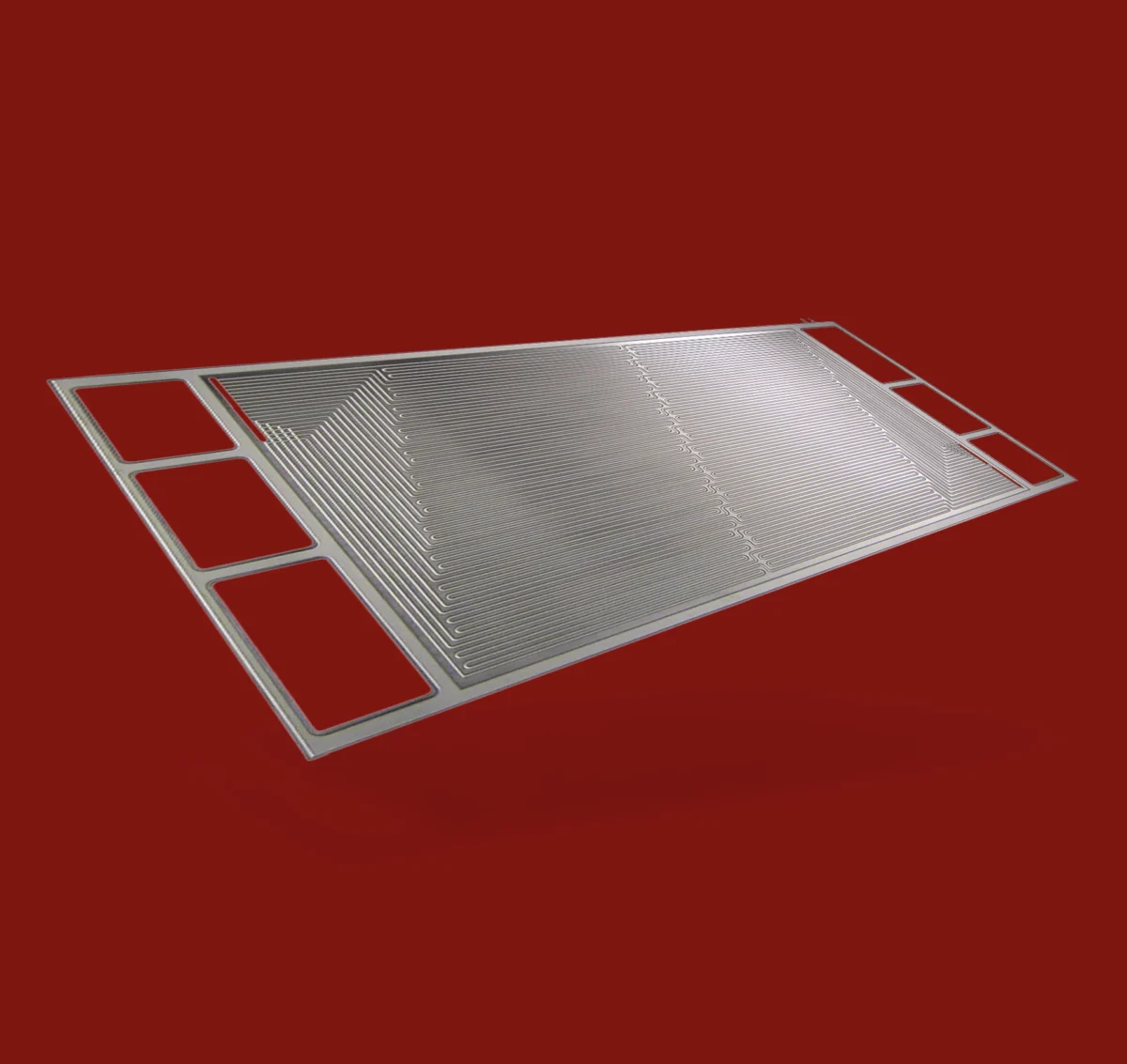
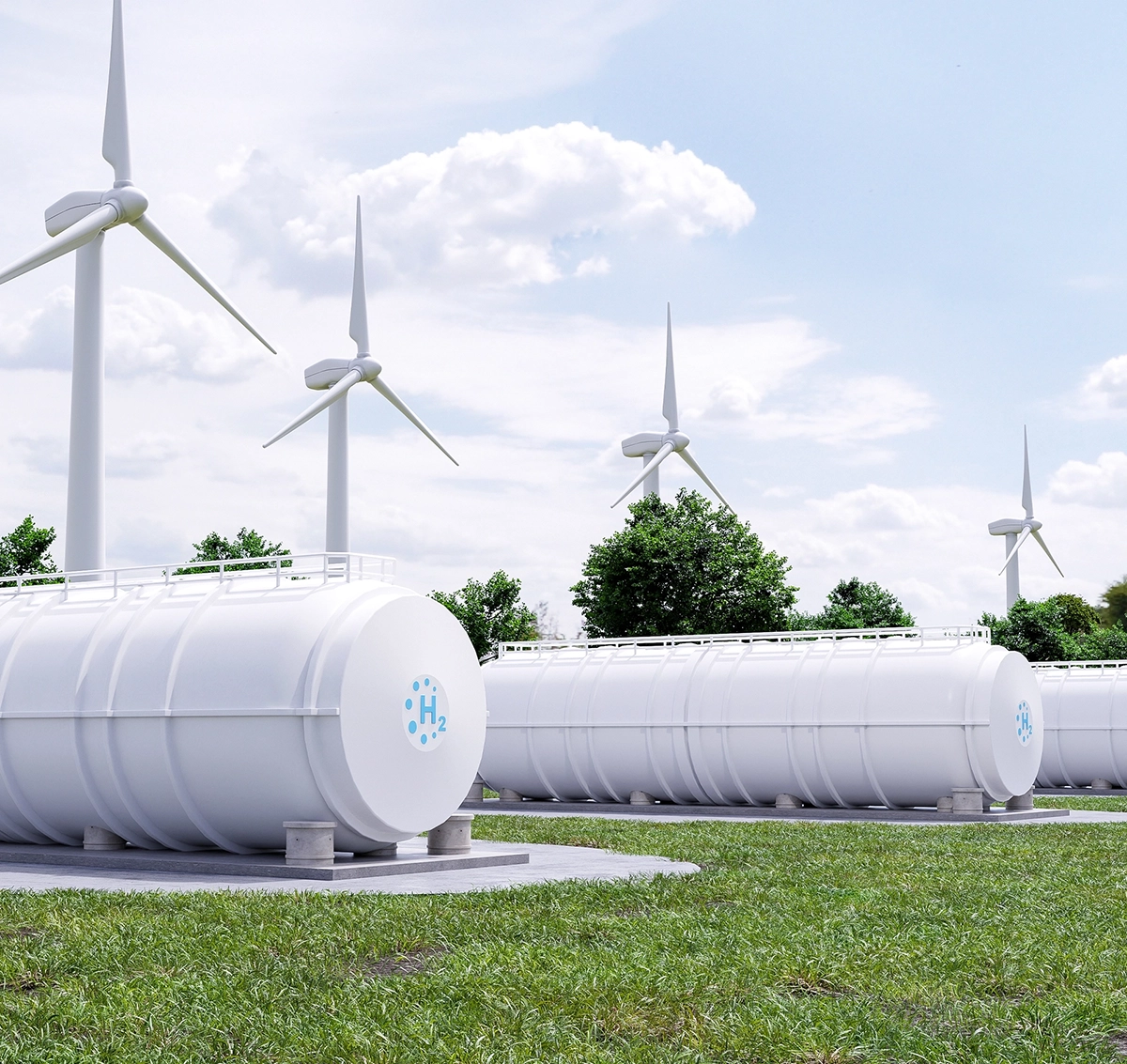
As one of the first manufacturers to etch pure titanium, PEI leveraged deep expertise in this complex process to open new doors of opportunity for multiple industries including medical implants for pacemakers and reconstructive surgeries; aerospace; hydrogen electrolyser bipolar plates; and other military and commercial applications requiring light-weight, strong parts that are resistant to corrosion and high temperature.

Why Photo Etching is the Better Option for OEMs and Engineers

Photochemical etching has quickly become preferred due to its exceptional efficiency, high precision, and rapid turnaround time. 

One of the main reasons why photochemical etching comes out on top is its cost-effectiveness compared to other metal fabrication methods. 

A lot of that comes down to tooling. Digital tooling provides a streamlined process that allows for design modifications throughout the manufacturing stage, significantly reducing the overall project time and saving valuable time and money.

The leader in photo etching services

Renowned for delivering highly precise metal parts to various industries, PEI has come a long way in a short time.

Established in Holliston, MA in 1968, PEI’s first task was supplying Boston’s fast-growing semiconductor and computer peripheral manufacturers with metal precision parts quickly and inexpensively.

They turned to the process of photochemical machining (PCM) as a way to produce precision parts faster and more affordably. As word of this innovative technology spread throughout the industry, PEI was on its way, becoming a proven source for precision parts.

The company continued to expand, and in 1977, William M. Lehrer was hired from Oak Industries as the new PEI president, bringing his vast engineering experience and outstanding educational background with him.

Fast forward to today and PEI leadership continues the expansion of PEI’s Precision Products Division by manufacturing mission critical parts for most technology-driven industries. 

The company etches almost all metals, including Stainless Steel, Copper, Brass, Kovar, Sterling Silver, Beryllium Copper, Nickel Silver, Titanium, Zirconium and other standard and specialty metals and alloys. PEI is also the industry leader in Titanium etching for a wide variety of applications, including medical implants and fuel cells.

If you’re looking for a trusted partner who can deliver the highest levels of precision and consistency, you can’t go past PEI.

Request a quote on your photo etching project.

Understanding Coatings and Their Role in Durable Precision Metal Parts

Understanding Coatings and Their Role in Durable Precision Metal Parts

Coatings play an essential role in maintaining the integrity of precision metal parts produced via photochemical etching, protecting parts and components from corrosion, wear, and environmental hazards. Finishing, plating, coating, or painting metal parts also serves an aesthetic and antibiotic purpose. 

Choosing the proper coating depends on the final usage of the part or component, and a trusted manufacturing partner can help understand the benefits and weaknesses of available solutions. 

As a leader in delivering precision metal parts for the world’s most important industries with decades of experience, PEI features the expertise to help manufacture, inspect, finish, and deliver reliable and durable products.

Contact us today to discuss your project or ask us any questions about coatings and photochemical etching.

Coatings

Factors in Choosing the Right One

Selecting the appropriate coating materials and methods is pivotal in achieving high-quality, finely detailed components, with choices based on a number of factors, from their compatibility in final usage to environmental conditions. 

Here are some common factors to consider:

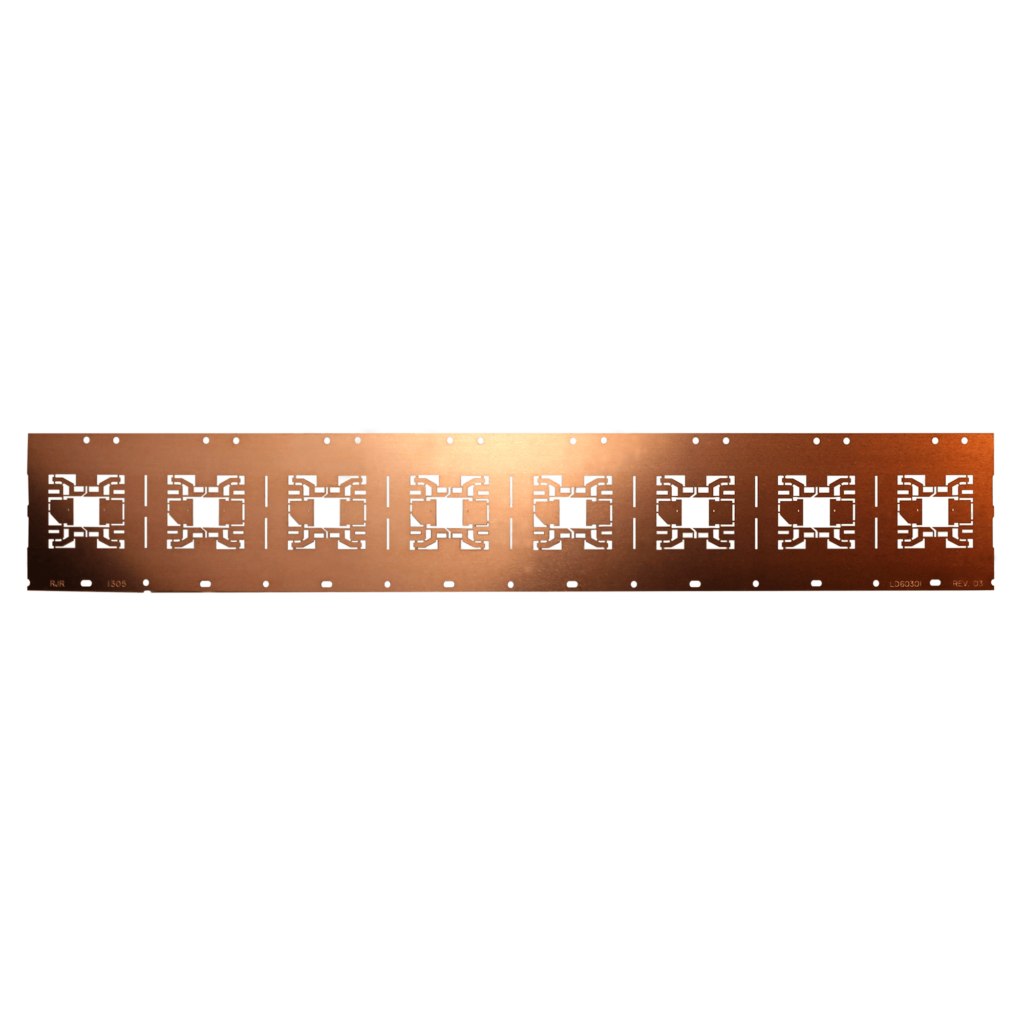
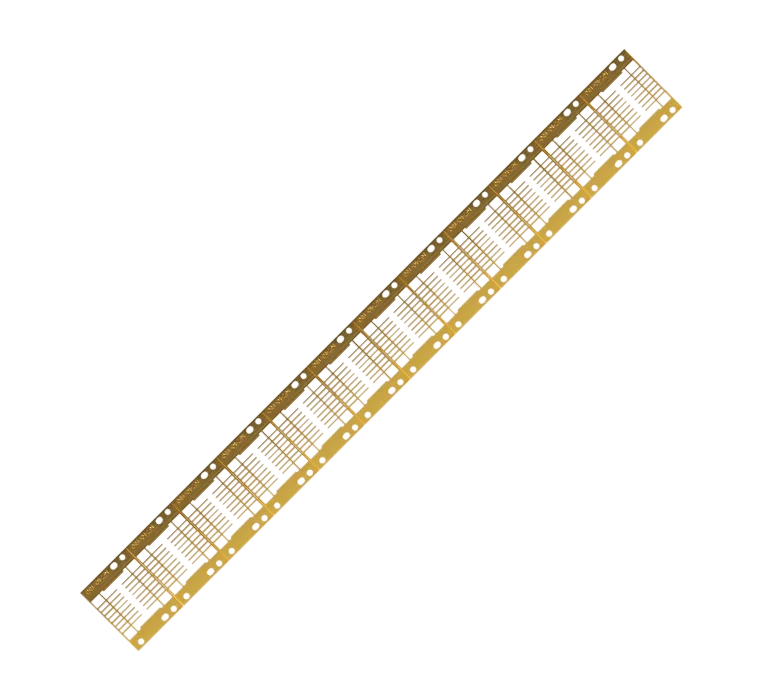
Photochemically etched copper lead frame used for semiconductor, microelectronics, and sensor packaging.
Environmental factors

Exposure Conditions

Consider the environment the components will be in (temperature, humidity, UV exposure, and chemical contact)

Durability

Choose coatings that match the expected lifespan of the components to reduce waste.

Chemical Compatibility

Ensure coatings resist exposure to chemicals or corrosive substances.

Biodegradability

Opt for environmentally friendly coatings to minimize harm to ecosystems.

Emissions

Use low-VOC coatings to reduce air pollution and indoor air quality issues.

Energy Consumption

Prefer eco-friendly methods like powder coating, which is more efficient.

Waste Reduction

Minimize waste generation during application and disposal.

Water Usage

Choose water-based coatings to reduce environmental impact.

Regulatory Compliance

Adhere to local regulations regarding coatings and the environment.

Life Cycle Assessment

Assess the full environmental impact from production to disposal.

Resource Efficiency

Use coatings with renewable or recycled materials when possible.

Packaging and Transportation

Consider the environmental impact of coating packaging and shipping.

Maintenance and Repairs

Select coatings that are easy to repair or recoat to extend component lifespans.

Application

Component Material

Match the coating to the component material.

Surface Preparation

Properly prepare the surface for adhesion.

Coating Thickness

Determine the desired thickness.

Application Method

Choose the right method for the component's size and shape.

Adhesion and Compatibility

Ensure compatibility and strong adhesion.

Environmental Conditions

Account for temperature, humidity, and air quality.

Quality Control

Implement checks for defects.

Drying and Curing Equipment

Ensure proper equipment calibration.

Health and Safety

Follow safety protocols.

Efficiency

Optimize productivity without compromising quality.

Waste Management

Plan for waste disposal or recycling.

Training

Train skilled personnel for precise application.

Regulatory Compliance

Comply with regulations.

Documentation

Keep records for tracking and troubleshooting.

Coatings

Options and Benefits

Choosing the right coating will enhance metal parts’ performance, durability, and reliability with complex geometries and high tolerances. 

Here are some common coatings and where they might be found:

Black oxide coating

A chemical conversion coating applied during the photochemical etching process primarily used on ferrous metals like steel and stainless steel. This coating enhances corrosion and rust resistance and provides a black or dark gray appearance. Manufacturers serving aerospace, defense, industrial and automotive sectors call for Black Oxide Coating

Copper plating

An electrochemical process where a thin layer of copper is deposited onto the surface of another metal or substrate. Copper plating enhances electrical conductivity, improves corrosion resistance, and provides an attractive copper appearance. Common applications of copper plating include electrical connectors, printed circuit boards (PCBs), decorative items, and components in the electronics and telecommunications industries. Copper plating is also frequently used as an intermediate layer before applying additional plating or finishing processes, such as tin, nickel or chrome plating, to achieve desired performance and aesthetics.

Electropolishing

A process where a controlled electrical current is passed through the metal object while it is immersed in an electrolyte solution, selectively removing a thin layer of material from the surface, effectively smoothing out roughness, removing burrs, and eliminating micro-scale imperfections. There are several benefits to electropolishing, including enhanced corrosion resistance, improved cleanliness, and a highly reflective, smooth, and clean surface finish. Manufacturers serving the medical, aerospace, pharmaceutical, and food processing industries use electropolishing.

Gold plating

A thin layer of gold is electrochemically deposited onto the surface of a metal part or component. Gold plating enhances electrical conductivity and provides corrosion resistance. Gold plating is popular in industries such as electronics and aerospace.

Nickel plating

An electrochemical process where a thin layer of nickel is deposited onto the surface of a substrate, often made of metal. Nickel plating helps with corrosion resistance and wear resistance, providing a barrier against oxidation while strengthening the substrate. Nickel plating is found on automotive parts, plumbing fixtures, electronics components, and industrial machinery, where both protection against corrosion and an attractive finish are essential. Nickel plating can also serve as a base layer for subsequent coatings, such as chrome plating, to further enhance performance and appearance.

Painting

A widely used finishing technique that enhances the appearance of a part or component, protects surfaces from environmental factors like corrosion and UV radiation, and provides insulation or fire resistance. Different types of paint, such as water-based, oil-based, or specialty coatings, are chosen based on the specific application requirements.

Powder coating

A dry finishing process used to apply a durable and protective layer to the surface of various objects. The steps to powder coating include electrostatically charging powdered pigment particles, which are then sprayed onto a grounded object. The charged particles adhere to the object’s surface, creating a uniform and highly adhesive coating. After application, the coated object is heated, causing the powder to melt, flow, and cure, resulting in a hard, smooth, and resilient finish. Powder coating offers numerous advantages, including excellent resistance to corrosion, chemicals, and UV radiation, as well as a wide range of color options and a more environmentally friendly process compared to traditional liquid coatings. It is commonly used in aerospace, defense, medical, industrial, and automotive industries.

Silver plating

An electrochemical process that involves depositing a thin layer of silver onto the surface of a substrate, often another metal. Silver plating improves  electrical conductivity and provides corrosion resistance. Electronics and telecommunications manufacturers call for silver plating for connectors and conductive components due to its excellent electrical conductivity. Additionally, silver’s natural antimicrobial properties make it suitable for applications in healthcare, such as coating medical instruments and equipment.

Tin plating

An electrochemical process that involves depositing a thin layer of tin onto the surface of a substrate, which is often made of a different metal, such as copper or steel. Its benefits include corrosion resistance and solderability, which is necessarily in the electronics industry where it’s essential to create reliable solder joints. Common applications of tin plating include electrical connectors, printed circuit boards (PCBs), food and beverage containers (tin cans), and various consumer products. It is also used to protect metals from corrosion, particularly in harsh environments.

Coatings

Parts and Components that are Coated

Most of the precise metal parts and components fabricated are coated in some way, whether it’s to improve electrical conductivity, appearance, or corrosion resistance.

  • Springs
  • Carrier Plates
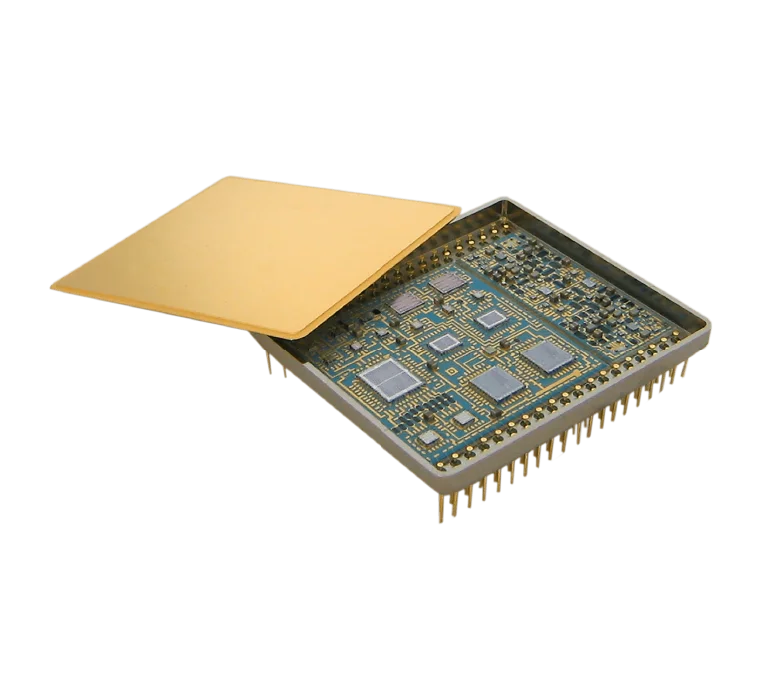
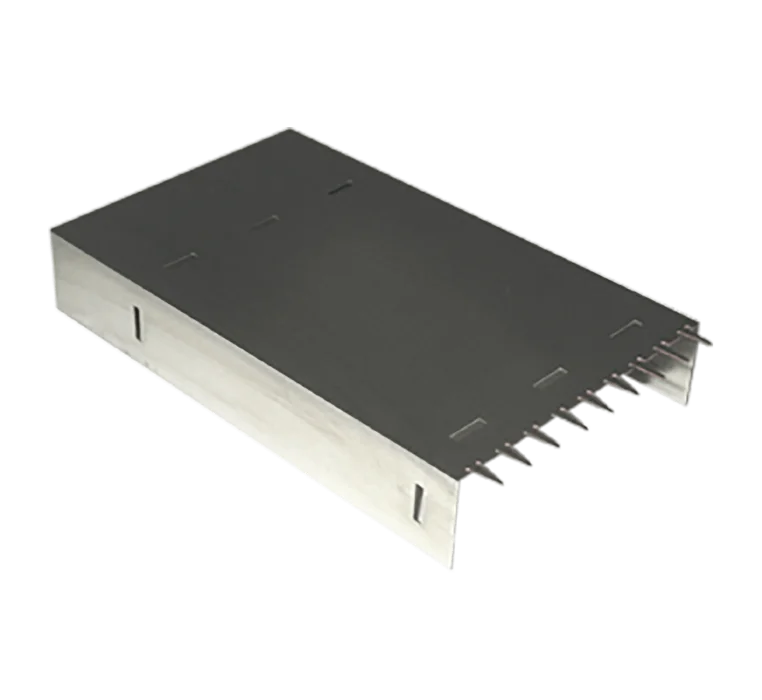
  • EMI/RFI Shields
  • Bus Bars
  • EMI Shields
  • RF Shield Fences
  • Contacts
  • Lids
  • Meshes
  • Leads
  • Encoder Discs/Wheels
  • Filters
  • Frames
  • Grids
  • Screens

PEI’s Expertise in Coatings

Coatings play a crucial role in delivering precise parts and components that are reliable and durable.

Our expert manufacturing and finishing teams have decades of experience applying various coatings and finishes depending on the part’s specifications and usage.  


Contact us today to discuss your project or ask us any questions about coatings and photochemical etching.

Ensuring Quality in Titanium Medical Device Parts with Chemical Etching

With no room for error, modern medical devices must be designed and manufactured using only the best quality materials and meet stringent safety standards.

In the ever-evolving landscape of modern medicine, the quality and precision of medical devices can be the difference between life and death. With no room for error, modern medical devices must be designed and manufactured using only the best quality materials and meet stringent safety standards.

With its exceptional strength, biocompatibility, and corrosion resistance, titanium has emerged as a material of choice for crafting critical components in medical devices. However, the intricate geometries and stringent quality requirements of these titanium parts present unique challenges in the manufacturing process. That’s where chemical etching comes in. Enabling the production of high-quality titanium parts and components with unparalleled precision and consistency, the chemical etching process has revolutionized the production of medical parts and pushed the boundaries of modern healthcare.

PHOTOFABRICATION ENGINEERING (PEI) has been the trusted team for medical implantables and equipment components manufactured with precision, consistency and expertise. For over 20 years, they’ve been manufacturing intricate, burr-free, stress-free etched metal parts for various medical devices.

In this blog, we delve into the world of chemically etched titanium and explore the pivotal role it plays in ensuring the exceptional quality of medical device parts in modern healthcare.

Experts in etched titanium medical components

PEI’s photochemical etching and working with titanium experience dates back decades. Our expert manufacturing team has pioneered processes to chemically machine pure titanium, delivering intricate and burr-free metal parts, and our partnerships with leading medical device companies continue to open up new possibilities for the medical industry.

While working with pure titanium and titanium alloys is what sets us apart, we’re well-versed in working with stainless steel and many other various metals. We are ever committed to delivering quality products, ensuring that every medical component is crafted with unparalleled precision and durability while adhering to the rigorous standards set by the medical industry.

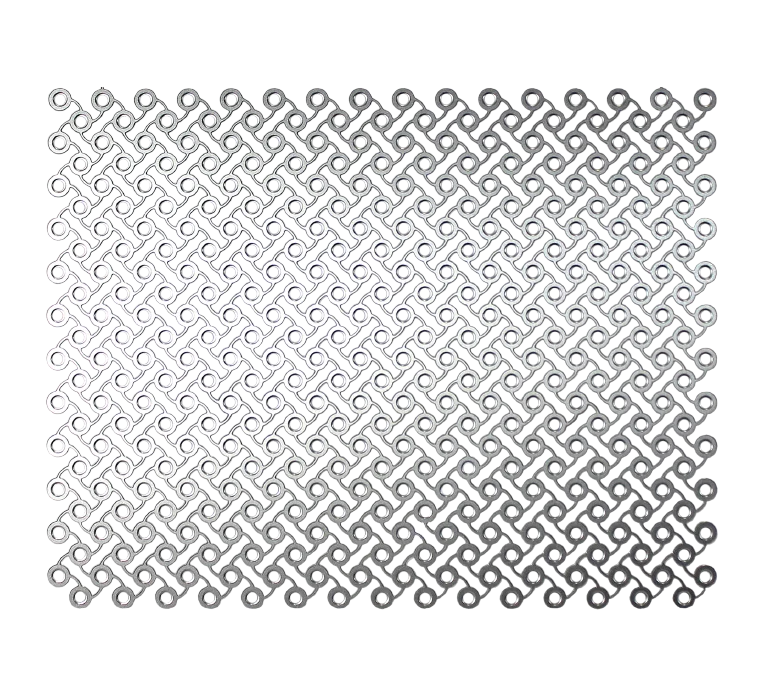
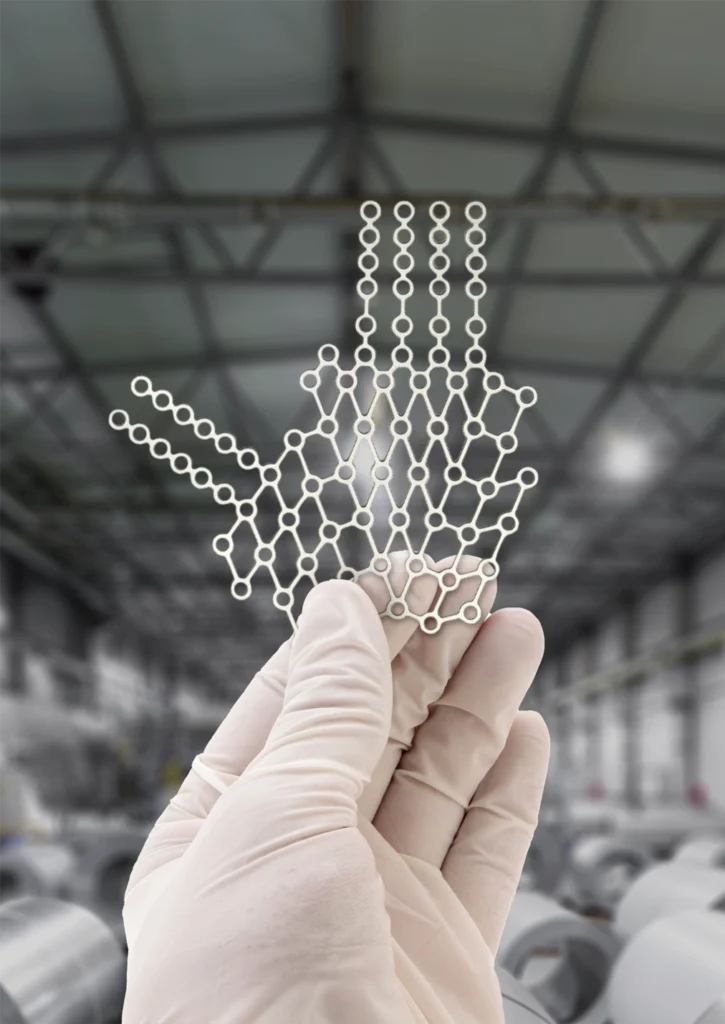
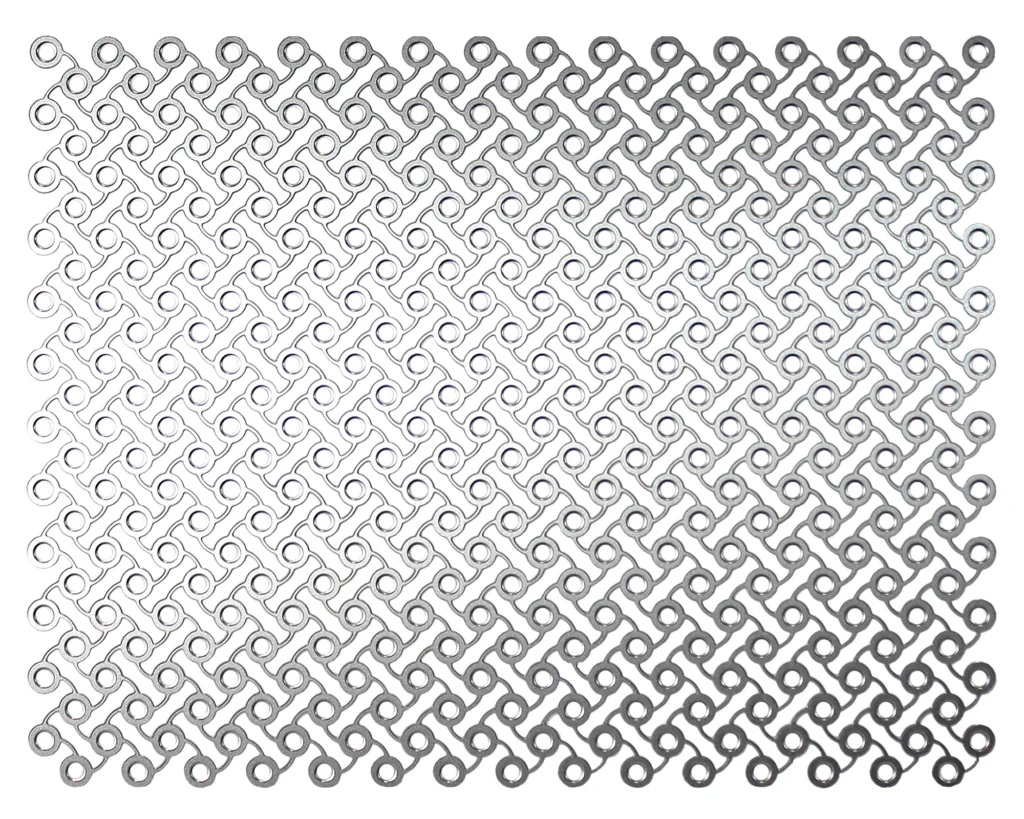
Sheet of precision-cut titanium medical device components arranged in a repeating pattern.

Advantages of chemical etching in medical device manufacturing

Chemical etching is the preferred process to fabricate parts for medical devices because the process delivers exceptional precision and accuracy while creating intricate and complex geometries. The heightened focus on precision is critical to meet the medical industry’s stringent safety standards.
Another critical advantage of chemical etching is its versatility since part and component manufacturers can utilize a wide range of materials while developing diverse medical solutions.

The chemical etching process ensures a burr-free and stress-free outcome, maintaining the structural integrity of the components. This eliminates the need for extensive post-processing, reducing production costs and lead times.

Chemical etching and its high-precision process also allow for rapid prototyping and customization, enabling faster design iterations with minimal tooling/setup costs and easily scalable to support high-volume production of precision metal parts.

The advantages of the photochemical machining process for metal medical implants are clear. Almost any pattern or texture can be etched into products, whether you need plates, mesh, or a combination. There are no burrs, and parts are consistent from lot to lot regardless of the number of parts manufactured. Since PEI manufactures implantables from pure titanium and its alloys, we can meet almost any design requirement in various thicknesses, sizes, and weights.

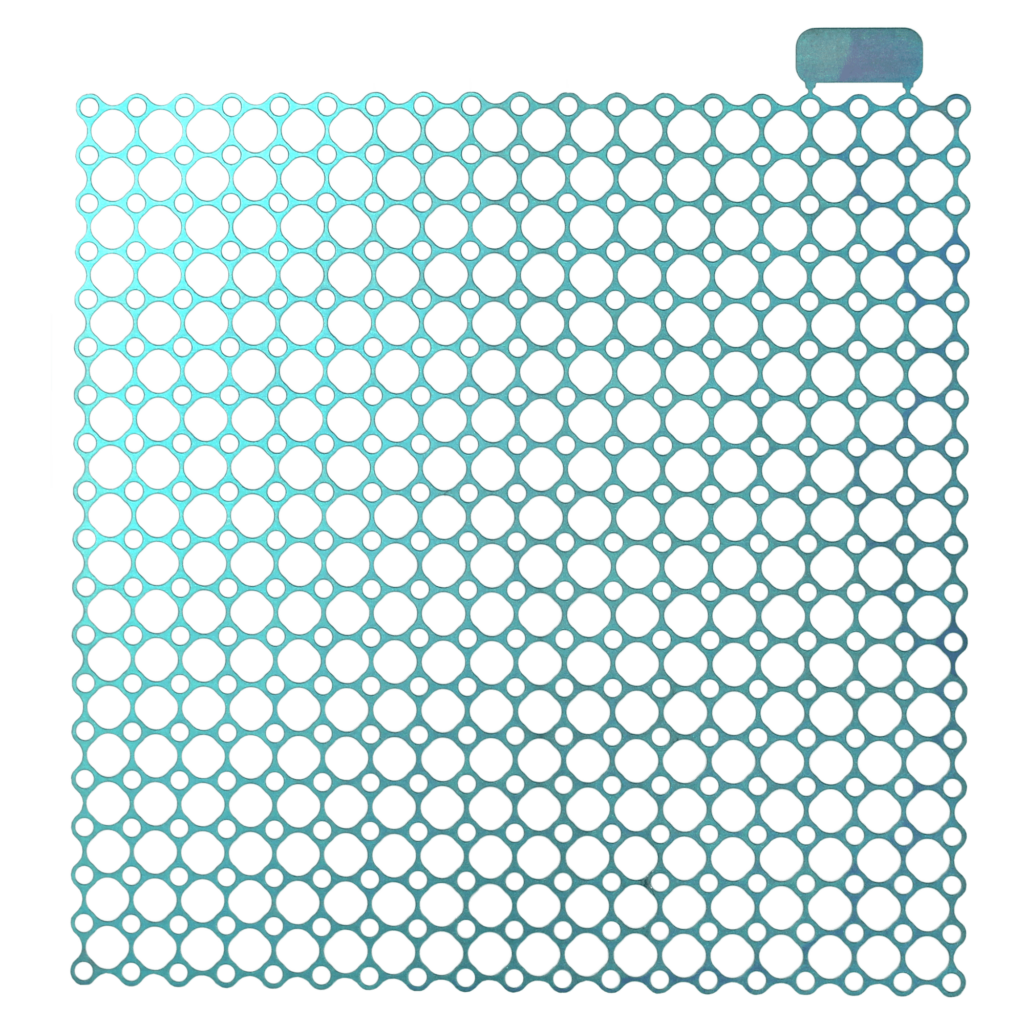
For example, flexible, lightweight medical-grade titanium mesh can be produced in any size or pattern style, with countersunk holes for flush-mounting screws.

Medical parts manufactured by PEI include:

Medical Implantables

Hearing Aid Components

Electrical Contacts

EMI/RF Shielding

Filters & Screens

Optical Encoder Discs

Surgical Blades

Surgical tools

Implantable Battery Anodes/Cathodes

We’ve developed a specialty in RF/EMI shielding. We invite you to learn more about our experience on our photo etching metal parts for medical apparatus page.

Applications of titanium medical device parts

Due to its versatility and exceptional properties, titanium is a highly sought-after material for various critical medical applications.

The biocompatibility, corrosion resistance, and high strength-to-weight ratio of titanium make it ideal for applications like orthopedic implants, where titanium components such as bone plates, blades, surgical tools, and spinal cages are widely used.

Titanium medical device parts are also utilized in cardiovascular devices, such as stents and pacemaker components, benefiting from the material’s durability and compatibility with human tissue.

PEI quickly and accurately manufactures intricate medical implants — including medical maxillofacial surgical mesh and plates used in reconstructive surgery — from all types of non-corrosive, body-compatible metals, including titanium and titanium alloys.

Green anodized titanium surgical mesh with precision-etched lattice pattern for orthopedic and medical implant applications.

Ensuring safety and reliability in medical apparatus

Our teams have worked hard to establish expertise and build trust because we want every patient, doctor, or medical company to think “reliable, accurate, and safe” when they call us.

In addition to our decades of experience, we’ve achieved ISO-9002 certification, and our facility meets the most stringent international certification standards.

A proven team and a commitment to quality

Our experience dates back to 1968, and our shop in Milford, MA features dozens of photochemical etching tools that we’ve built ourselves and thousands of  material part numbers in stock. 

The PEI engineering team is viewed as an industry leader, helping to develop and refine parts and components used in life-saving applications. 

We were one of the first manufacturers to etch titanium, and our expertise withthis complex process makes us a first call for the leading companies serving the medical industry.

Our customer’s first point of contact is the PEI customer service team, who can answer any question and typically responds to RFQs within 24 hours.

For a titanium etching partner you can rely on for precise medical device parts, contact the team at PEI or request a quote.

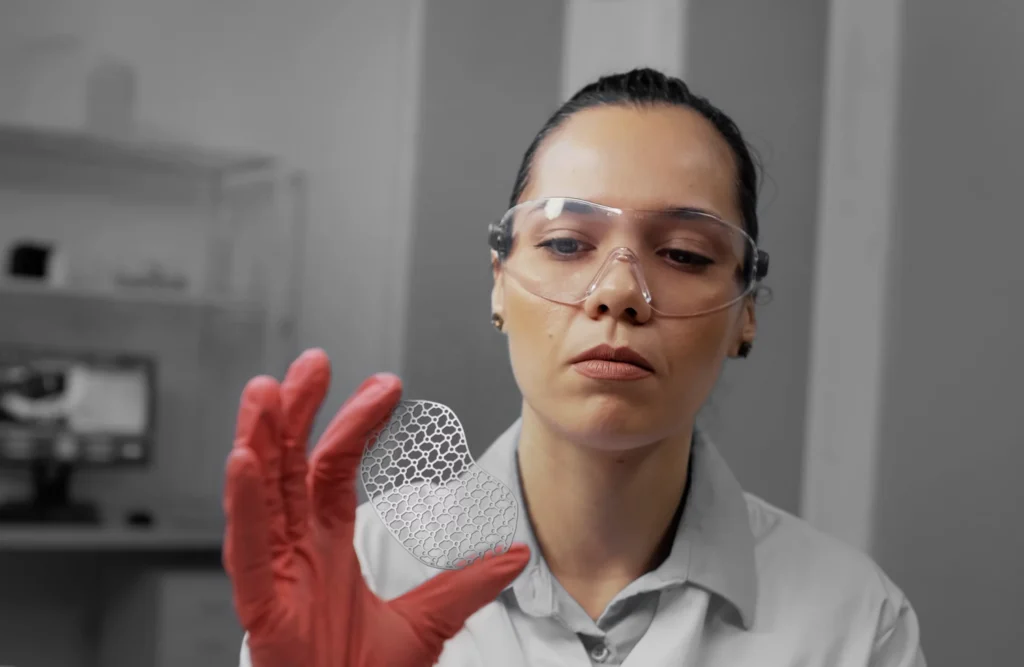
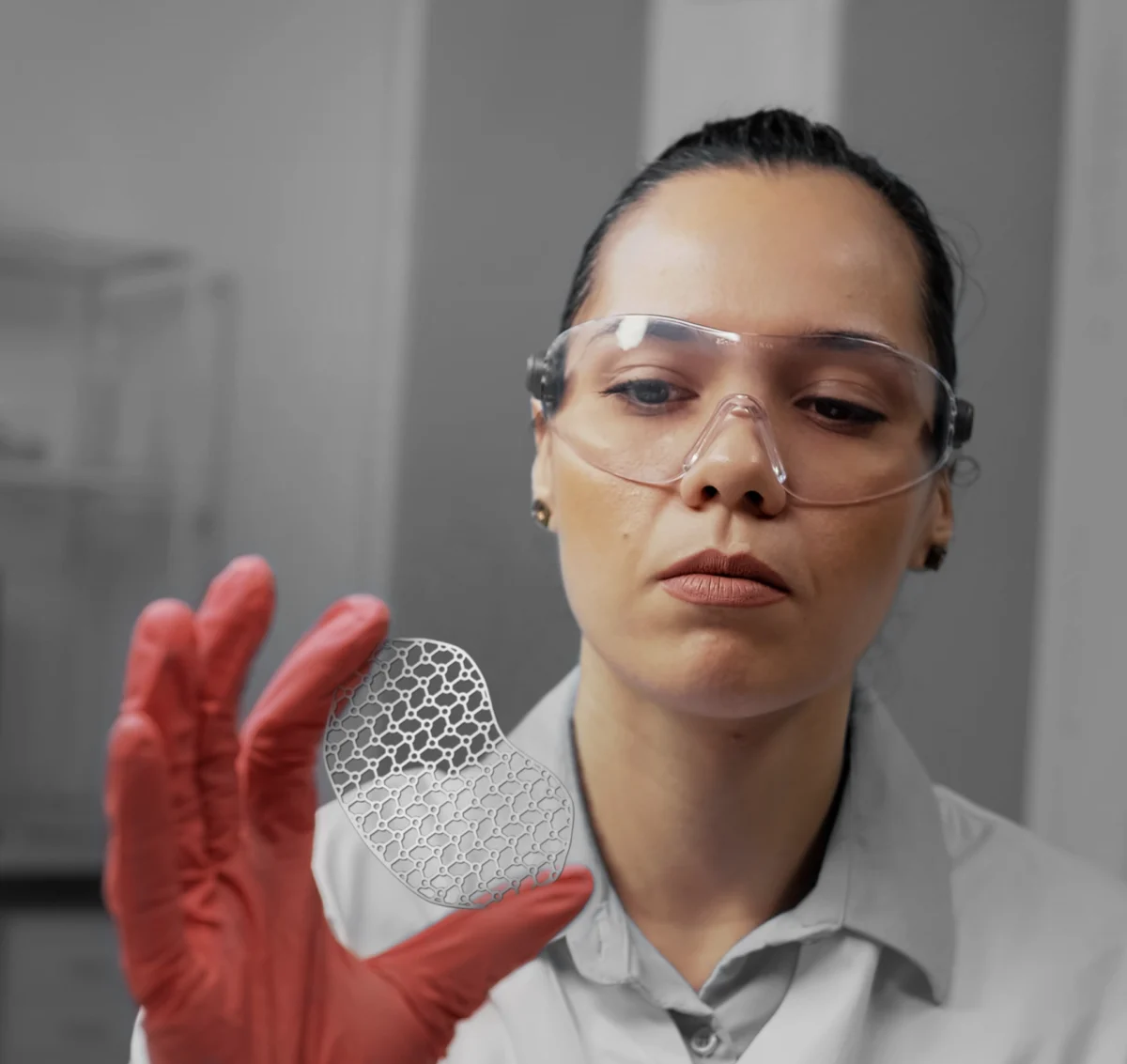
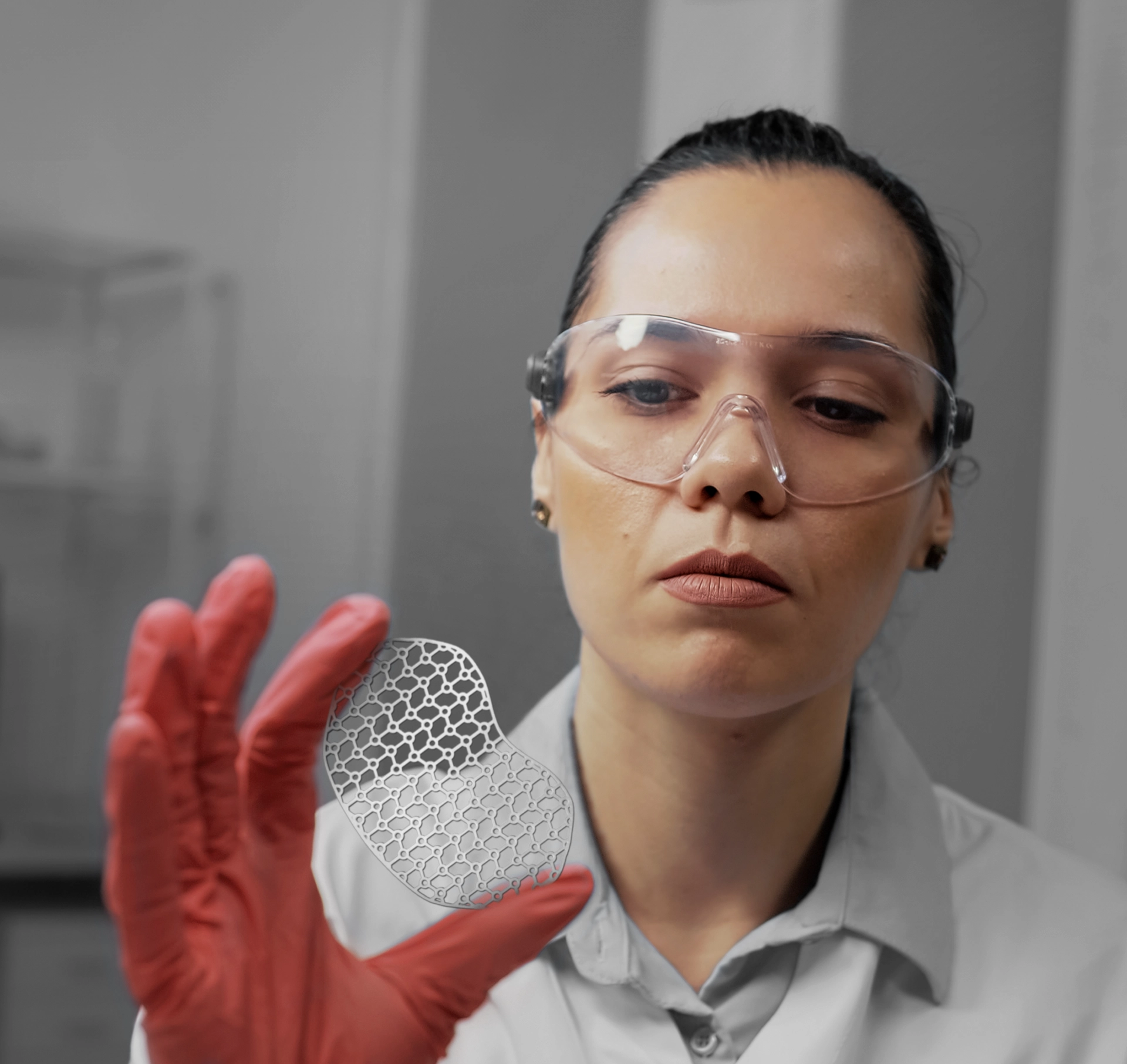
doctor holding a photochemically etched medical part

Ensuring Quality in Titanium Medical Device Parts with Chemical Etching